

Likelihood, potential impacts of federal shutdown: U-M experts can comment
EXPERTS ADVISORY
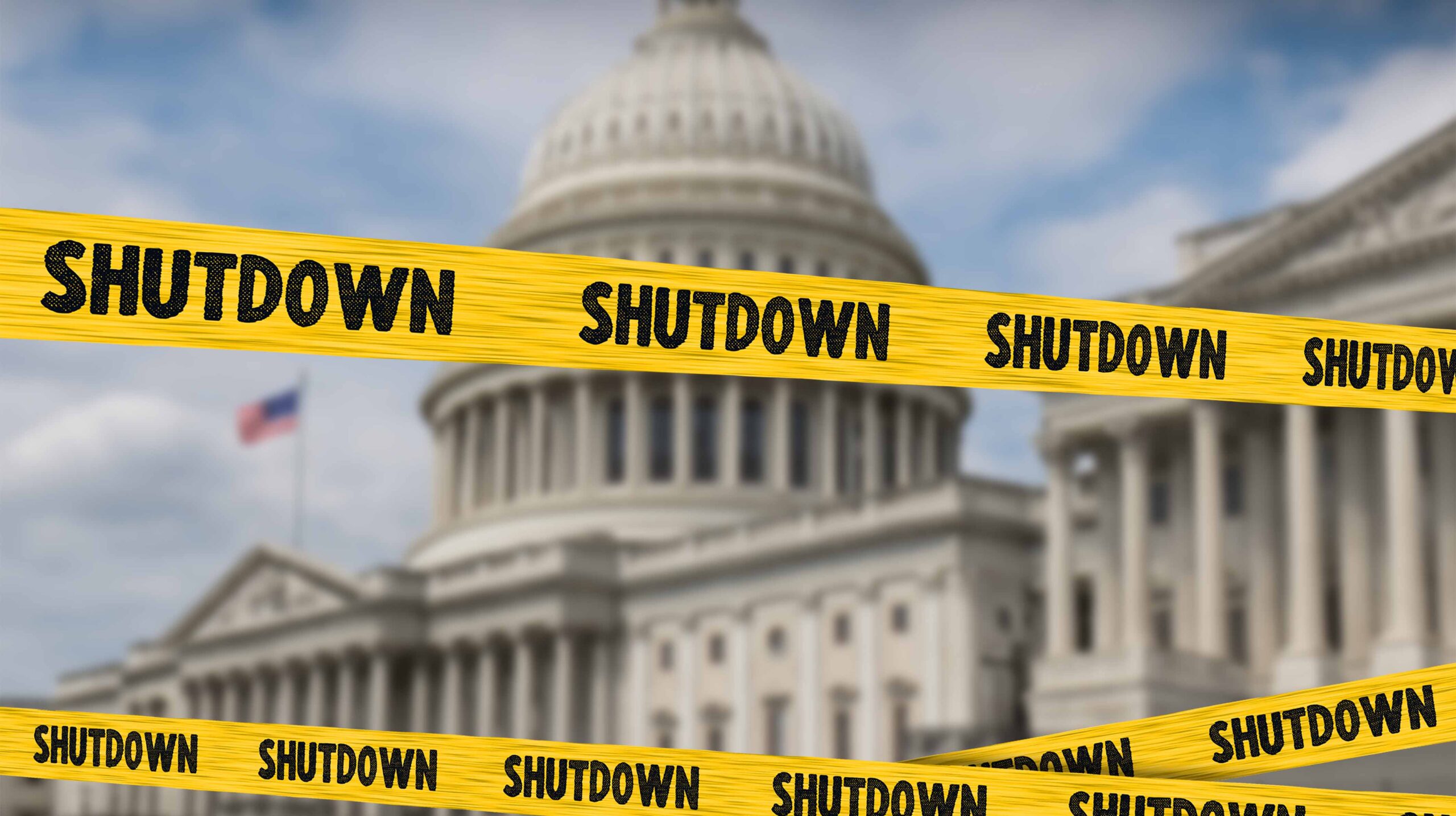
University of Michigan researchers are available to share their insights on a federal government shutdown at the end of the day Tuesday, unless lawmakers break the impasse and make a deal before then.
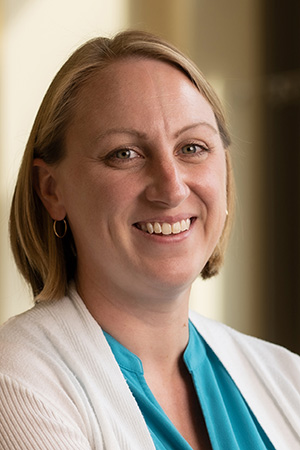
Stephanie Leiser is a lecturer at the Ford School of Public Policy and director of the Center for Local, State, and Urban Policy.
“The big picture is that federal, state and local budgets are tightly intertwined through hundreds of different programs, so federal budget choices absolutely have a direct impact on state and local governments,” she said. “Most states get around 30%-40% of their revenues from the federal government, and local governments are often even more reliant on transfers from state and federal sources.
“While everyone waits to see how the politics will play out and who the biggest losers and winners will be, we also need to remember that the uncertainty is already costing us in terms of delayed investment/spending, higher borrowing costs and depletion of reserves. Everyone is spending all of their time spinning scenarios and worrying about the next few weeks and months instead of planning for the future.”
Contact: schmidts@umich.edu

Donald Moynihan is the J. Ira and Nicki Harris Family Professor of Public Policy at the Ford School of Public Policy and co-director of the Better Government Lab, which looks for technology and other types of interventions to help governments improve access to the social safety net.
“Government shutdowns undermine economic activity, but also weaken the government’s long-term capacity to perform its core tasks,” he said. “Shutdowns are damaging at the best of times. Coming on top of months of employee cuts and disruption, a shutdown will be even more damaging than usual now.
“The threat to fire federal employees because politicians cannot pass a budget is unprecedented, and will further erode the capacity of the federal government to serve the public.”
Contact: dmoyn@umich.edu

Emily Toth Martin is a professor of epidemiology at the School of Public Health and co-director of the Michigan Center for Respiratory Virus Research and Response. She is also director of the Michigan Public Health Integrated Center for Outbreak Analytics and Modeling, a U.S. Centers for Disease Control-funded nationwide network that monitors and forecasts infectious disease outbreaks to help prepare public health and health care responses.
“CDC and NIH staff are in regular contact with scientists and state and local health officials to track new and changing infectious diseases,” she said. “To halt those conversations now, especially as we are headed into a cold and flu season with the potential for new strains of influenza, will limit information that people and their physicians use to protect families from infections and care for the sick. Dealing with funding instability like this shutdown stretches the resources of an already strained public health system.”
Contact: etmartin@umich.edu

Jennifer Garner is the John G. Searle Assistant Professor of Nutritional Sciences at the School of Public Health. She conducts research on federal nutrition programs, food security and the effects of food policy on maternal and child health. She focuses on improving the design and implementation of policies and programs that leverage collaboration across the public, private and charitable sectors toward broader public health impact.
“There are both tangible and intangible consequences of a federal government shutdown. Tangible consequences include the imminent potential for discretionary and contract-based programs, such as the Special Supplemental Nutrition Assistance Program for Women, Infants, and Children, to experience shortfalls in resources and delays in services,” she said. “Given the fiscal relationships between federal agencies and programs administered by states, localities and the nonprofit sector, the ripple effect of such lapses is more far-reaching than many may think.
“Such a shutdown is also likely to undermine overall trust in government and exacerbate existing political discord, both of which make it even more difficult for political actors to act in the best interest of our democracy and protect the American people via bipartisan collaboration. For example, it’s possible that ill will generated during the course of shutdown-related negotiations may linger and influence other imminent negotiations, such as that related to the overdue negotiation of a new farm bill.”
Contact: garnerja@umich.edu
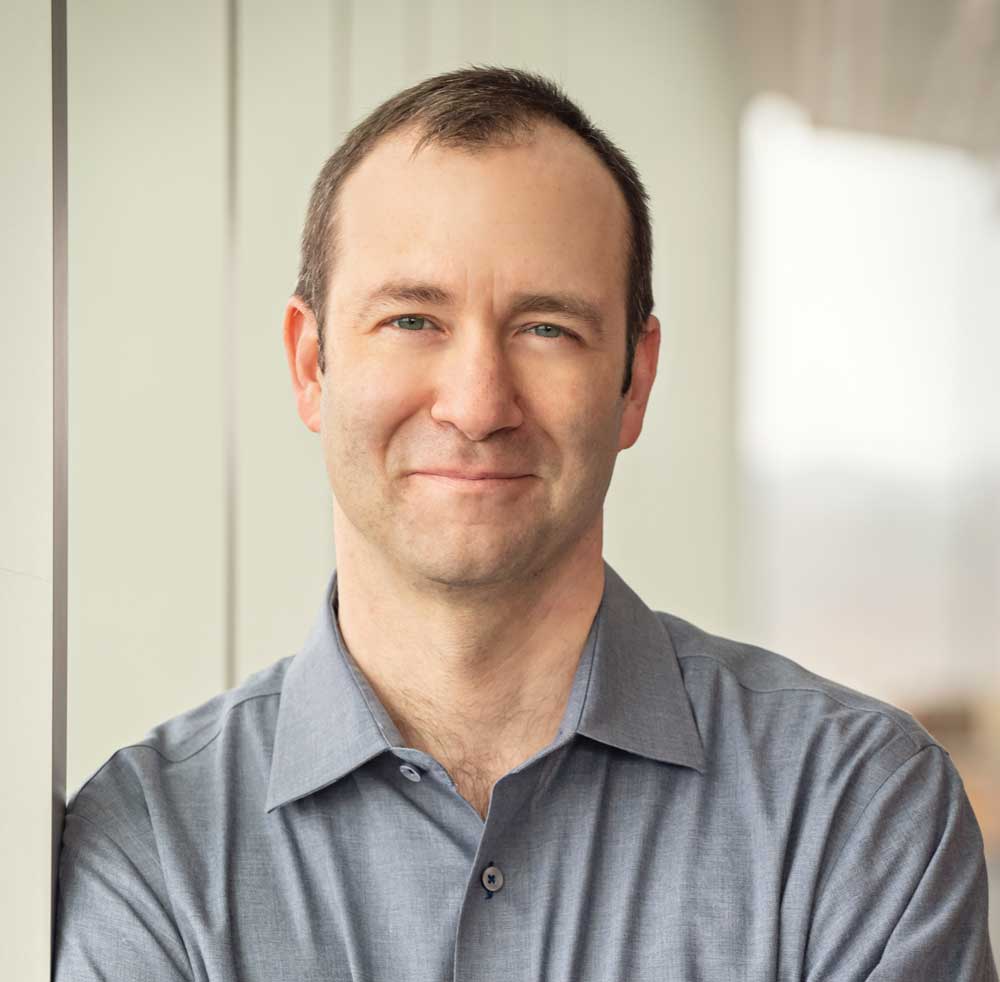
Christopher Friese is the Elizabeth Tone Hosmer Professor of Nursing at the School of Nursing and professor of health management and policy at the School of Public Health. He can address the health care workforce and emergency preparedness.
‘The government’s contingency plan for the Department of Health and Human Services poses challenges for nurses and health care delivery,” he said. “Grantmaking to universities and local and state governments will cease. This could put local health departments and other health agencies that receive grant funds from HHS at risk. HHS officials also plan to prohibit new admissions to the NIH clinical center, the world’s largest biomedical research hospital, except for emergencies. This will delay the receipt of novel treatments for Americans with some of the most difficult diseases to treat.
“There are other potential impacts buried deeper within each agency’s plan. For example, the Assistant Secretary for Preparedness and Response contingency plan notes that response to federal disasters will be ‘slow to muster.’ That’s not very comforting as the nation hits hurricane season. And the Center for Medicare and Medicaid Services will not respond to queries from Medicare and Medicaid recipients.
Contact: cfriese@umich.edu
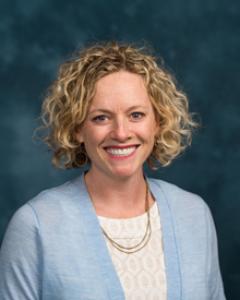
Sue Anne Bell, associate professor at the School of Nursing, is an expert in disaster preparedness and response, community health and provision of health care in emergency response settings. She is active in multiple emergency preparedness and response activities, including current service with the U.S. Department of Health and Human Service’s National Disaster Medical System and past service on the Federal Emergency Management Agency’s National Advisory Council.
“A government shutdown threatens stability not just for the nursing workforce, but for the patients and communities they serve. Community health centers, federally qualified clinics and home visiting programs rely on federal grants that may be interrupted, which reduces access to nursing care and can potentially send patients to already strained emergency departments,” she said. “A prolonged disruption risks widening gaps in health care when communities can least afford it. Examples like these are a reminder that even short shutdowns can ripple into long-term consequences on health and well-being.
“During a shutdown, the majority of FEMA staff stay on duty, funded through the Disaster Relief Fund which ensures that core disaster operations continue. The strain falls on the remaining workforce, which is already affected by low staffing. … Communities facing hurricanes, wildfires or other crises can still expect a federal presence, but recovery efforts may slow down as critical administrative and support systems are disrupted. The key message though is that prolonged shutdowns risk leaving disaster-affected populations with delayed recovery and fewer resources for rebuilding.”
Contact: sabell@umich.edu

Michael Shepherd is an assistant professor of health management and policy at the School of Public Health. He studies the politics and policies surrounding rural health disparities, including rural hospital closures, the opioid epidemic and Medicaid policy and expects vast numbers of Americans could be hurt by the shutdown.
“Democrats and Republicans have reached a negotiating impasse, largely regarding Affordable Care Act premium subsidies,” he said. “Congressional Democrats would like the ACA subsidies, which are due to expire at the end of the year, to be extended essentially in exchange for avoiding the shutdown. Republicans would like an up-down vote on keeping the government open.”
According to KFF, an independent nonprofit, nonpartisan organization for health policy education, he said, the cost of insurance premiums “will skyrocket for most American families if the subsidies are allowed to lapse.”
“Government payments for Medicare and Medicaid will continue during the shutdown, albeit potentially at a slower pace,” Shepherd said. “Importantly, President Trump has stated that his administration will consider cutting vast numbers of people from their jobs and cutting things and programs they like. These comments are presumably referring to programs like Medicaid that are traditionally viewed as Democratic programs. However, we do not know exactly which programs he is referring to and how or how long these cuts would be enacted.”
The Office of the Vice President for Research at the University of Michigan is providing guidance to faculty, researchers and staff in case of a shutdown. Information on handling situations that may arise should funding cease are published at: research.umich.edu/government-shutdown
According to the office, which collaborates with internal and external partners to catalyze, support and safeguard research and scholarship across the university in dedication to research that serves the world:
“A federal government shutdown can influence university research operations, though its implications on U-M research and creative practice will depend largely on the length of a shutdown and the corresponding guidance provided by the affected federal agencies … Faculty working on federally sponsored projects that are already ongoing are not expected to experience major issues during a shutdown. That said, federal agencies cannot issue new grants or contracts, or renew existing projects, during a shutdown. Agencies also will not be able to provide assistance during a shutdown. As a result, government employees at the agencies will not be available to answer phone calls, respond to emails or update informational resources.”
