Severe winter storm threat: U-M experts available to comment
EXPERTS ADVISORY
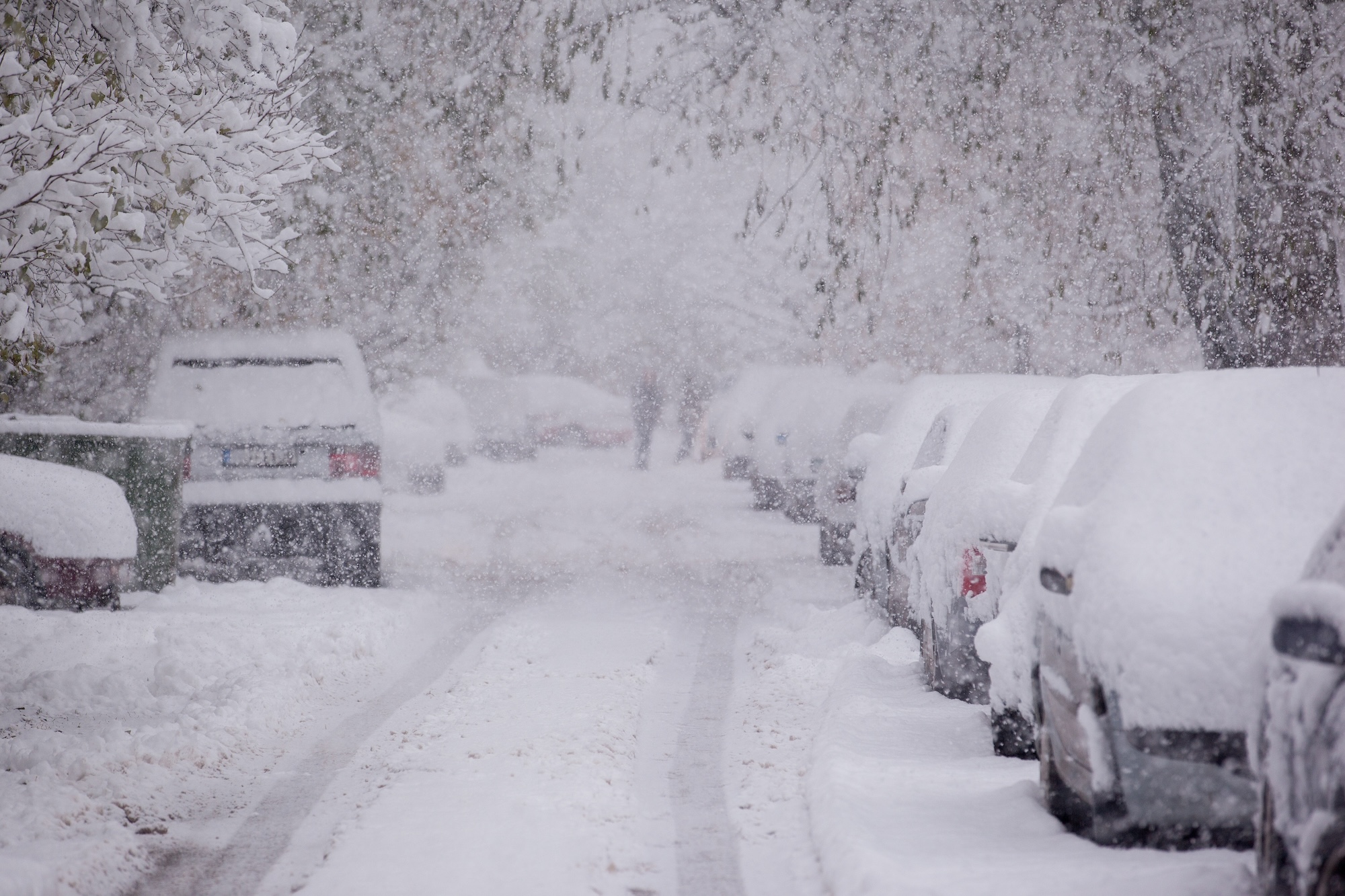
With as many as 200 million U.S. residents under threat from severe snow and ice storms this week, University of Michigan Engineering experts are available to talk about a wide range of subjects: from forecasting and weather trends, to utility preparedness and the impact of cold on electric vehicles.

Richard Rood is a professor emeritus of climate and space sciences and engineering at the College of Engineering. He can comment on emerging climate trends affecting warming and the consequences of ever-increasing global temperatures.
“A cold polar air outbreak, reaching deep into the Southeast, a developing storm, and ample moisture from the Gulf of Mexico are expected to cause snow, sleet and freezing rain from Texas to the Atlantic this weekend,” he said. “The storm is expected to have enough moisture to bring large amounts of ice to some parts of the South. This will cause great damage to trees and powerlines. Ice on roads and sidewalks will make travel unsafe. Because such events are rare this far south, tree fall is likely to be exceptionally high. Power is likely to be out for days. With the cold air following the precipitation, dangerous conditions can exist for days.
“Southern ice storms are rare and less common than in the past. With a warming Gulf of Mexico increasing evaporation into the atmosphere, these rare events have the potential to have record-breaking amounts of accumulation of ice and snow.”
Contact: rbrood@umich.edu, 301-526-8572
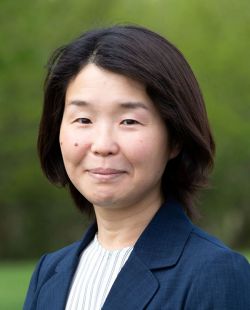
Ayumi Fujisaki-Manome is an associate research scientist at the Cooperative Institute for Great Lakes Research at the School for Environment and Sustainability, a collaboration with NOAA’s Great Lakes Environmental Research Laboratory. She is also an adjunct associate research scientist in climate and space sciences and engineering at the College of Engineering. Her research aims to improve our ability to predict hazardous weather, ice and water events in cold regions to better support coastal communities.
“The unusual winter storm is likely associated with reduced Arctic sea ice conditions, which are currently at a record low level for this time of year,” she said. “Diminished sea ice cover helps create an environment where the polar vortex can stretch further south, allowing Arctic air to penetrate mid-latitude regions, including the Great Lakes and areas further south.”
Contact: ayumif@umich.edu
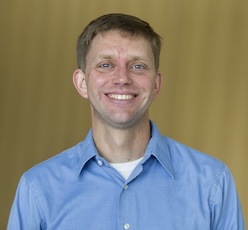
Seth Guikema is a professor of civil and environmental engineering, as well as industrial and operations engineering, at the College of Engineering.
”Much of the southeastern and midwest U.S. is preparing for a major winter storm with some areas in the southeast forecast to receive one-half to one inch of ice,” he said. “If this much ice does form on trees and power lines, it will be devastating to the power system. Power utilities have well-established restoration plans, but an event this severe will lead to prolonged power outages. Residents and businesses in the potentially impacted areas need to prepare for outages lasting multiple days with some outages of a week or more.
“Power distribution utilities throughout the U.S. see in their own data increasing frequency and severity of weather events impacting their systems. Long-term resilience planning needs to account for this, particularly given the long time horizons involved in installing new infrastructure. Utilities are undertaking this planning, but more support is needed, including more regulatory and political support and improved analysis methods and projections of conditions in the future.”
Contact: sguikema@umich.edu, 734-764-9317
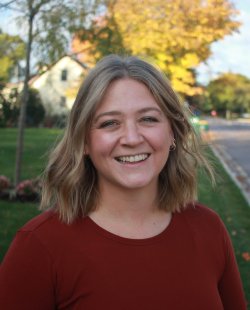
Abby Hutson is an assistant research scientist with the School for Environment and Sustainability and the Cooperative Institute for Great Lakes Research. Her research focuses on modeling weather and climate in the Great Lakes Region to assist researchers with long-term climate projections and to support regional forecasters.
“Forecasting exactly when and where ice is going to hit—especially on the southern side of the storm—has been incredibly difficult,” she said. “All of the models have the storm on slightly different tracks, and if the temperature forecast is off even only by a few degrees, that could be the difference between rain and ice. People need to understand that the forecast will continue to be refined over the next day or two, and slight changes could mean lessening or worsening ice impacts.”
Contact: hutsona@umich.edu
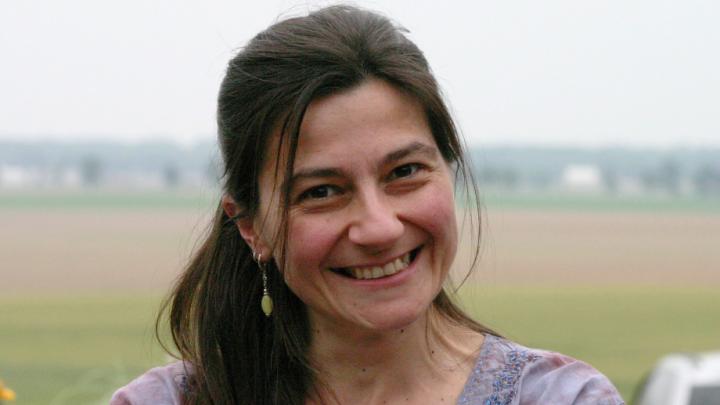
Anna Stefanopoulou is the Huei Peng Distinguished University Professor of Mechanical Engineering at the College of Engineering. Her research focuses on electric vehicles and the electrochemical processes behind fuel cells and batteries, and she can discuss how vehicle batteries behave in extreme temperatures.
“The performance of lithium-ion batteries depends on temperature,” she said. “When operating in low temperatures, they suffer from reduced range which presents a significant hurdle for existing EV users and potential adopters. With a home charger, that’s a Level 2 charger connected to an electrical outlet like the one your dryer uses, you can keep the battery pack above freezing temperatures using built-in functionality from most modern EVs.
“So the bottom line in these cold conditions is to keep your car plugged in so your battery stays ‘toasty’ and ready for you to sprint to your morning destination. If you don’t have a home charger, you’ll want to charge up your EV before you go home and before the battery pack gets too cold. Once it gets cold, the EV pack resists, literally, being charged. That means you’ll experience very long charge times.”
Contact: annastef@umich.edu, 734-615-8461

Frank Marsik is a meteorologist and associate research scientist in climate and space sciences and engineering at the College of Engineering. His current research focus is on climate variability and adaptation.
“Over the next few days, a broad area of high pressure will usher in Arctic air as it moves out of Canada and heads into the Central and Eastern U.S.,” he said. “That means sea level pressure (magnitude) of the high pressure center—a reflection of how cold the air is— is expected to be near 1050 millibars (the standard unit of measure for atmospheric pressure) as it enters the U.S.
“This magnitude is not a record for the U.S. That record is believed to be near 1078.6 millibars in Northway, Alaska. But mean sea level pressure values near 1050 are not common in the continental U.S.”
Contact: marsik@umich.edu, 734-763-5369

Brian McCullough, associate professor of sport management at the School of Kinesiology, studies the environmental impacts of the sport sector, sport spectator environmental behaviors and attitudes, environmental messaging and narrative for internal and external stakeholders, and fan engagement with a sport organization’s sustainability initiatives.
“As extreme winter weather events become more frequent, the sport industry must take notice and evolve,” he said. “Fortunately, we are seeing a pivot toward proactive adaptation, where leagues move beyond a ‘wait-and-see’ approach to embrace strategic scheduling and real-time problem-solving that keeps fans and athletes safe.
“By offering warming zones and flexible ticketing, teams are proving they value people more than seats, building loyalty that is simply good business. Ultimately, these venues are more than fields of play; they are vital civic infrastructure that can serve as community lifelines and warming centers, turning a game-day asset into a resilient neighborhood anchor.
Contact: brianpmc@umich.edu, 734-647-9767
Sue Anne Bell is a nurse practitioner and associate professor at the School of Nursing. Her research focuses on the long-term impact of disasters and public health emergencies on health, particularly among older adults. She is clinically active in disaster response through the U.S. Department of Health and Human Service National Disaster Medical System with over a dozen recent deployments.
“In Michigan, the National Weather Service updated long-standing wind chill warnings and advisories to clearer terms so people better understand when extreme cold can be dangerous or life-threatening. When you hear an Extreme Cold Warning, it means the cold is dangerous and can be life-threatening if you’re exposed, even for a short period of time. Frostbite and hypothermia can happen quickly, especially for older adults, people with health conditions and anyone without reliable heat. A Cold Weather Advisory means it’s still very cold and potentially unsafe, but not quite at the emergency level of a warning. Even during an advisory, people should take precautions and limit time outdoors.
“Extreme cold increases health risks for people who already face challenges during everyday life, including older adults, people with chronic health conditions, people with disabilities, pregnant women and infants. One of the most important things we can do during extreme cold weather is check in on our neighbors, especially those who live alone, have limited mobility or rely on electricity for medical equipment. A quick phone call, text or knock on the door can help identify problems early, such as loss of heat, food, medications or needed support.”
Contact: sabell@umich.edu, 734-647-0341