US capture of Venezuelan president: U-M experts discuss
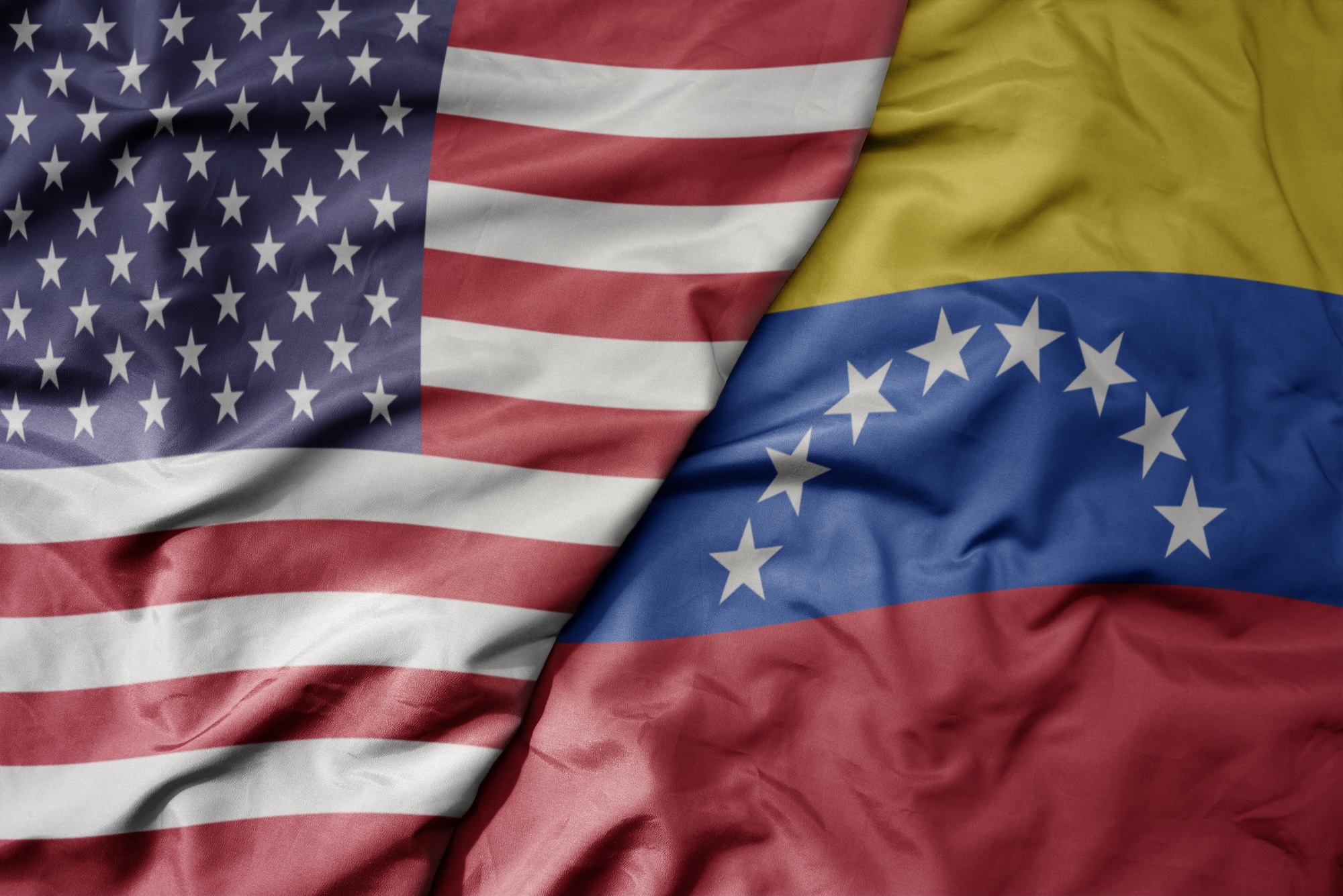
Experts from the University of Michigan share insights on U.S. intervention in Venezuela and the weekend arrest of its president, Nicolas Maduro, during a raid. Maduro is expected to appear before a judge in New York on Monday to face drug and weapons charges.
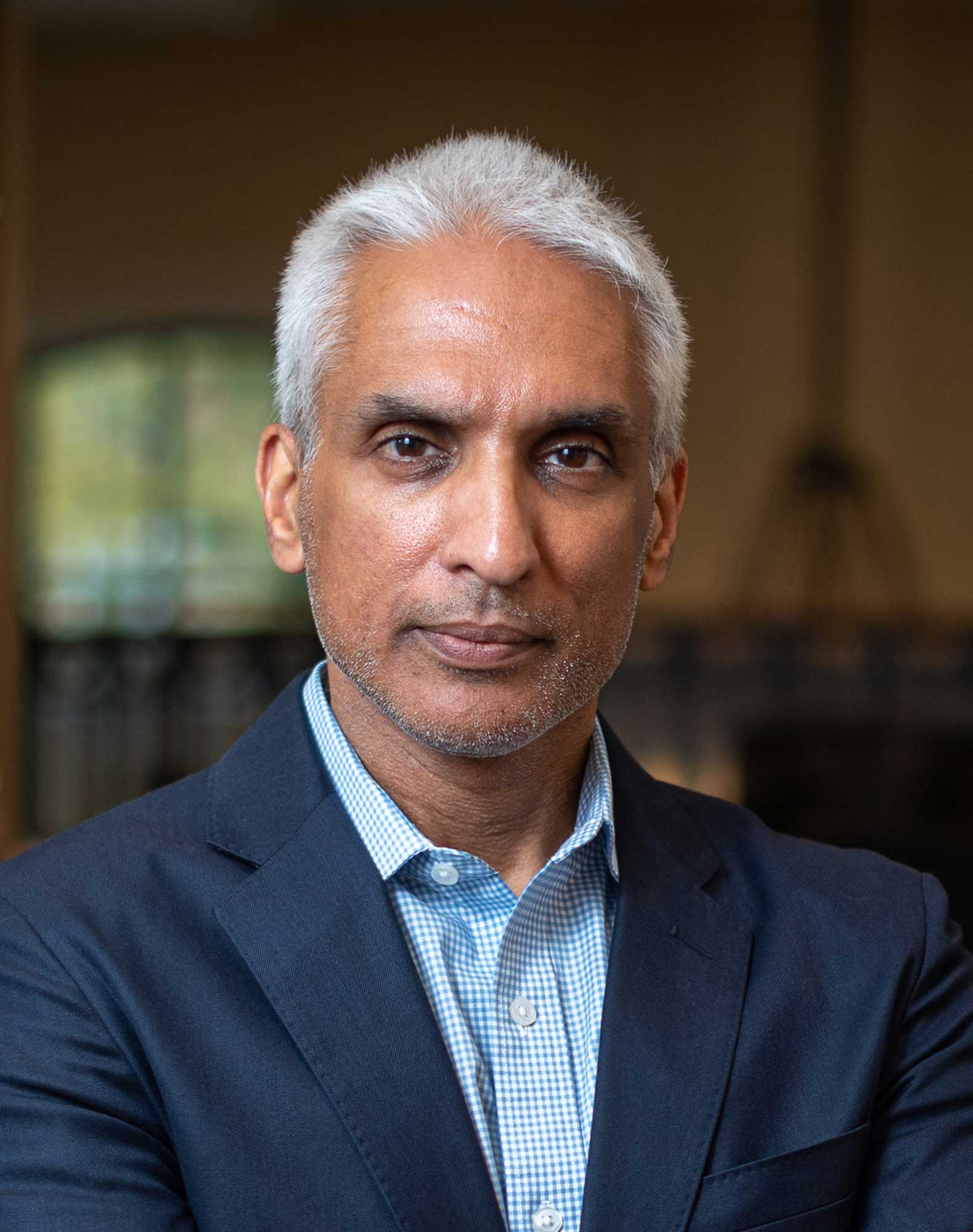
Javed Ali is an associate professor of practice at the Ford School of Public Policy and former senior U.S. government counterterrorism official.
“The recent U.S. military operation to capture Maduro and his wife and hand them over to federal law enforcement based on long-standing criminal indictments for narcotrafficking and conspiracy charges was the culmination of the Trump administration’s months-long pressure campaign against the Maduro regime,” he said.
“Over the past several months, this campaign included dozens of strikes against vessels in the Caribbean alleged to be piloted by drug cartel members, the seizing of oil tankers, new economic sanctions, covert action operations and remarks by President Trump and other senior officials that Maduro’s time as president may be coming to an end.
“The administration also signaled a more aggressive approach against perceived threats to U.S. interests in the region with last November’s national security strategy, which is the first one published in the 40-year history of these strategy documents that focused on the Western Hemisphere—and not the Middle East, China or Europe—as the part of the world that the United States will prioritize above all others.
“In the aftermath of Maduro’s capture, questions remain about how his successor, Delcy Rodriguez, will govern Venezuela and whether she will take a less hostile approach towards the United States, how the administration plans to implement a policy to rehabilitate Venezuela’s large oil and gas sector and whether the administration would consider similar campaigns against other governments in the region that are perceived to be working against U.S. interests. It also remains to be seen how this affects the thinking of countries like Russia, China and Iran as they likewise assess the Trump administration’s posture towards them over the next three years.”
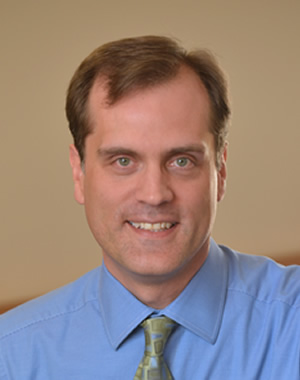
Jonathan Hanson is a lecturer at the Ford School of Public Policy and director of the school’s MPP/MPA program.
“To invade another country and capture its president, especially without any prior consultation with Congress, is an audacious act that is inconsistent with international law and with Trump’s claimed desire to avoid overseas conflicts and entanglements,” he said. “Secretary of State Marco Rubio said that these actions were a ‘message to the world.’ Rivals, especially those too weak to respond, surely will take notice that the administration feels unconstrained in its use of military power.
“At the same time, vigorous assertion of the right to intervene militarily throughout our region makes it harder to take the position that countries like Russia and China have no right to do the same. Leaders in Ukraine, the Baltics and Taiwan surely cannot be too happy about this kind of hegemonic thinking coming from U.S. leaders, though it’s already been clear that Putin has Trump’s ear when it comes to Ukraine.”
Q&A: Global debate heightens after US captures Venezuelan president
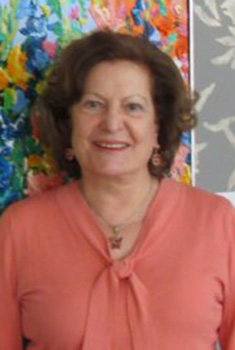
Silvia Pedraza is a professor of sociology and American culture at the College of Literature, Science, and the Arts. She has significant experience studying Venezuela, particularly in relation to its political shifts and the resulting movement of its people.
“I think that any authoritarian regime, whether of the left or the right, creates a lot of opposition,” she said. “Some of that opposition leaves the country in a massive exodus, while others end up in prison if they are politically active. Some simply try to remain focused on their families and their own lives, staying at the margins. I think that most Venezuelans are actually very happy with this outcome. For the Venezuelan people who are on the streets, the major issue is democracy.”