175 years of U-M medical history come alive in new exhibit
In fall 1850, the first students arrived in the small frontier city of Ann Arbor to enroll in the University of Michigan’s new Medical School.
Today, 175 years later, what began in a single building on the U-M Diag has grown into one of the largest and highest-ranked academic medical centers in the world. Its biomedical education programs, patient care at hospitals and clinics statewide, and massive research community are all part of what’s now known as Michigan Medicine.
More information
A new museum exhibit explores how that transformation took place, and its impact on society, through artifacts, photos and facts about U-M medical history.
The exhibit will run Sept. 20 through April 30 at the Museum on Main Street near downtown Ann Arbor, with free public hours from noon to 4 p.m. Saturdays and Sundays, and private tours weekdays by reservation for groups of all ages.
Titled “Creating the Future of Medicine for 175 Years,” it’s part of the celebration of the 175th anniversary of the Medical School, and the 100th anniversary of the “Old Main” University Hospital that was U-M’s flagship from 1925 to early 1986.
Another anniversary event will be held online at noon Sept. 17, with a live discussion about U-M medical history with four faculty experts who are both physicians and historians. Find more information and RSVP online at michmed.org/nV4ej
More about the exhibit
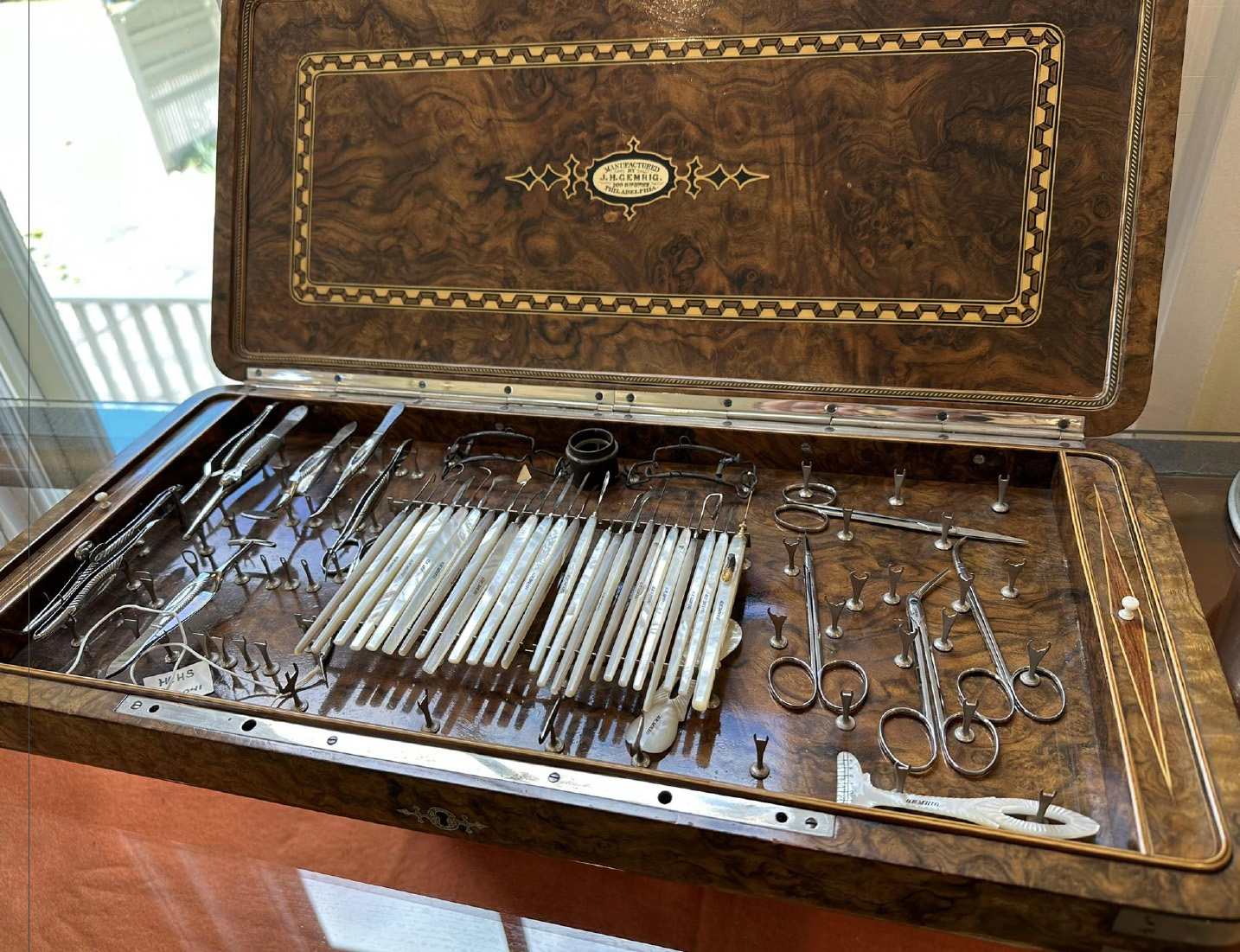
The exhibit includes many artifacts, including the handbell used to summon U-M’s first medical students to class; microscopes that U-M scientists used in discoveries about the roles of microbes and genes in disease; medical and surgical equipment from the 19th and early 20th centuries; life-size mannequins used to train early nursing students; and a scale reproduction of the carved stone arch through which generations of patients, faculty, staff and students entered Old Main.
It also features dozens of photos of pioneers and pathbreakers from across U-M medical history; maps and images of the places where they worked and studied; and information about their contributions to biomedical progress and the care patients worldwide receive today.
Museumgoers can ponder questions on the walls about their own views and experiences related to medicine and science, and leaf through the pages of U-M medical history in the reading area.
To arrange a free group visit on any weekday between September and the end of April, or for questions about visiting, call 734-662-9092 or email wchs-1000@ameritech.net.
The Museum on Main Street is located in a historic house at 500 N. Main St. at the intersection of Main, Kingsley and Beakes streets. Parking is available on nearby streets or in nearby municipal lots and parking structures, and two city bus stops are nearby. An accessible entrance is available at the back door.
The museum’s building even has a connection to U-M medical history. Built in the 1830s as a house on Wall Street, it traveled on a flatbed truck to its current spot in 1990, after being saved from demolition when U-M expanded parking for the first Turner Geriatric Clinic and the Kellogg Eye Center.
The exhibit was created by members of the Michigan Medicine Department of Communication and the Medical School’s Center for History, Humanities, Arts, Social Sciences and Ethics in Medicine. It also includes photos and information from the Bentley Historical Library, and artifacts from the U-M Nursing History Society and the Washtenaw County Historical Society,