Am I good?
It seems like such a simple question: “How are you?”
And yet if you’ve been told enough times that you shouldn’t answer, “I’m good,” the question may give you pause.
So is there something wrong with saying, “I’m good?“
When I was younger I was told not to say, “I’m good,” because the question was not about my moral goodness; it wasn’t about whether I was a good person. It was about my health.
Now it’s true that if I answer by saying, “I’m well,” I am responding about my health. I am doing the equivalent of saying, “I’m in good health.” But sometimes what I want to say is, “I’m happy. I’m in a good place.” And so I want to say, “I’m good,” the same way I might say, “I feel good.”
Is that OK?
The fact is that it is OK, that the prescription against “I’m good” does not hold up under scrutiny. Let me explain why.
In the construction “I am ______,” what you should expect in that blank is either an adjective or a noun. “I am happy” (adjective), or “I am a professor” (noun). Given that, let’s return to the question “How are you?” In response, you should get “I am” plus an adjective: “I am tired” or “I am well”—if you are referring to your state of health.
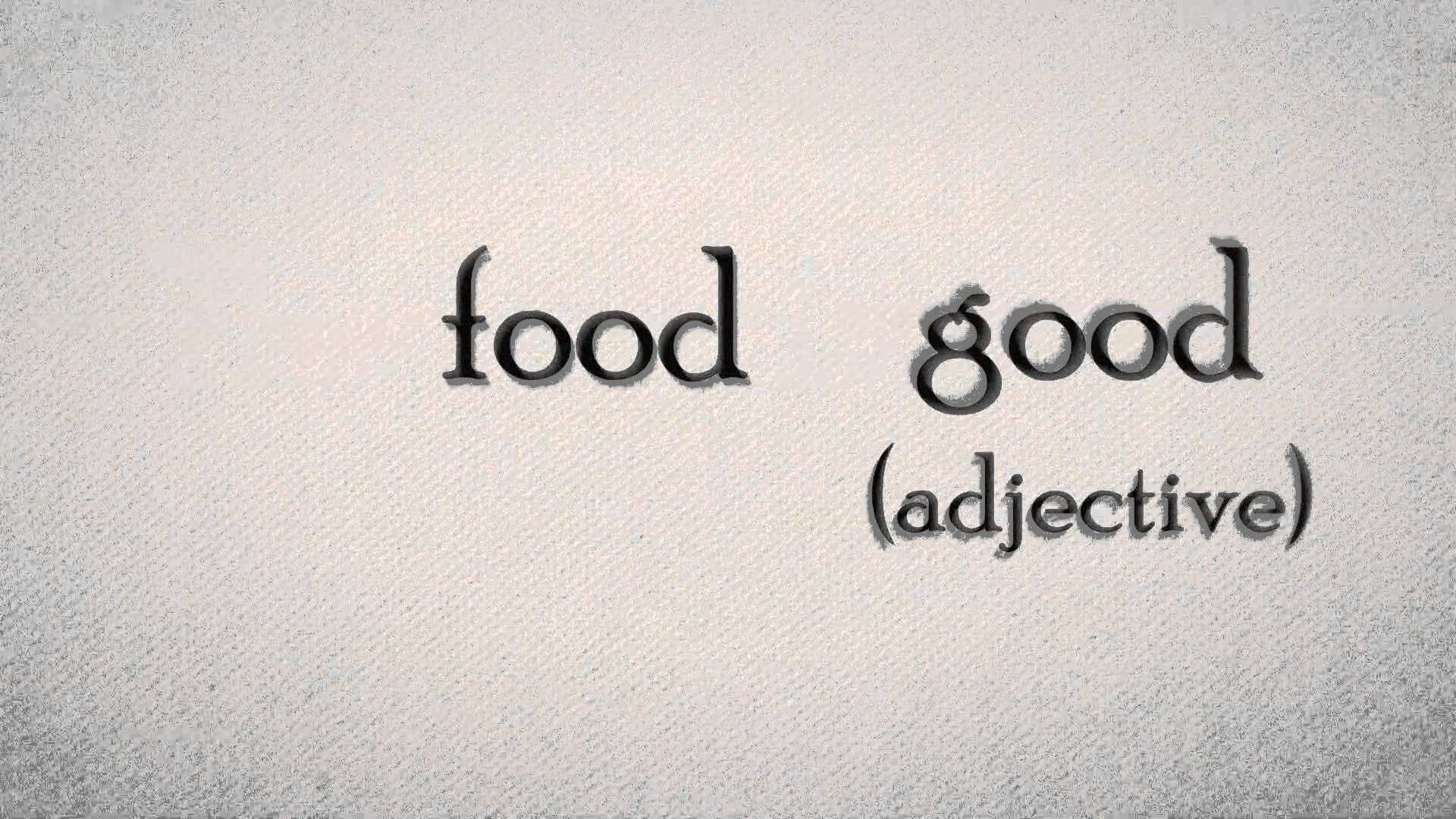
Here’s where things can become more confusing. The word “well” can be both an adjective and an adverb. It is an adjective when it refers to health. It is also the adverb form of “good” in standard varieties of English. For example, “I am a good cook” (good = adjective), and “I cook well” (well = adverb). The word “good” is typically an adjective, as we see in “I am a good cook” or a sentence like “The food is good.” So you can say, “I am good,” in the same way you would say, “I feel good.”
In nonstandard varieties of English “good” is sometimes an adverb. In these varieties you’ll hear a construction like “She runs good.” And that use of “good” as an adverb often is stigmatized. (Microsoft Word also puts a green squiggly line under it to indicate an issue with the grammar.) I think what has happened is that the stigma against “She runs good” has spilled over to stigmatize the answer “I am good.”
In sum, grammatically speaking, you can say, “I am good,” or “I am well.” I think sometimes, for at least some of us, saying, “I’m well,” can feel more formal and saying, “I’m good,” can feel more colloquial. You are welcome to say either, depending on the context and what you mean.
This video originally appeared in LSA Today, where you can find more videos, including an archive of Anne Curzan’s discussions of language.