Understanding race
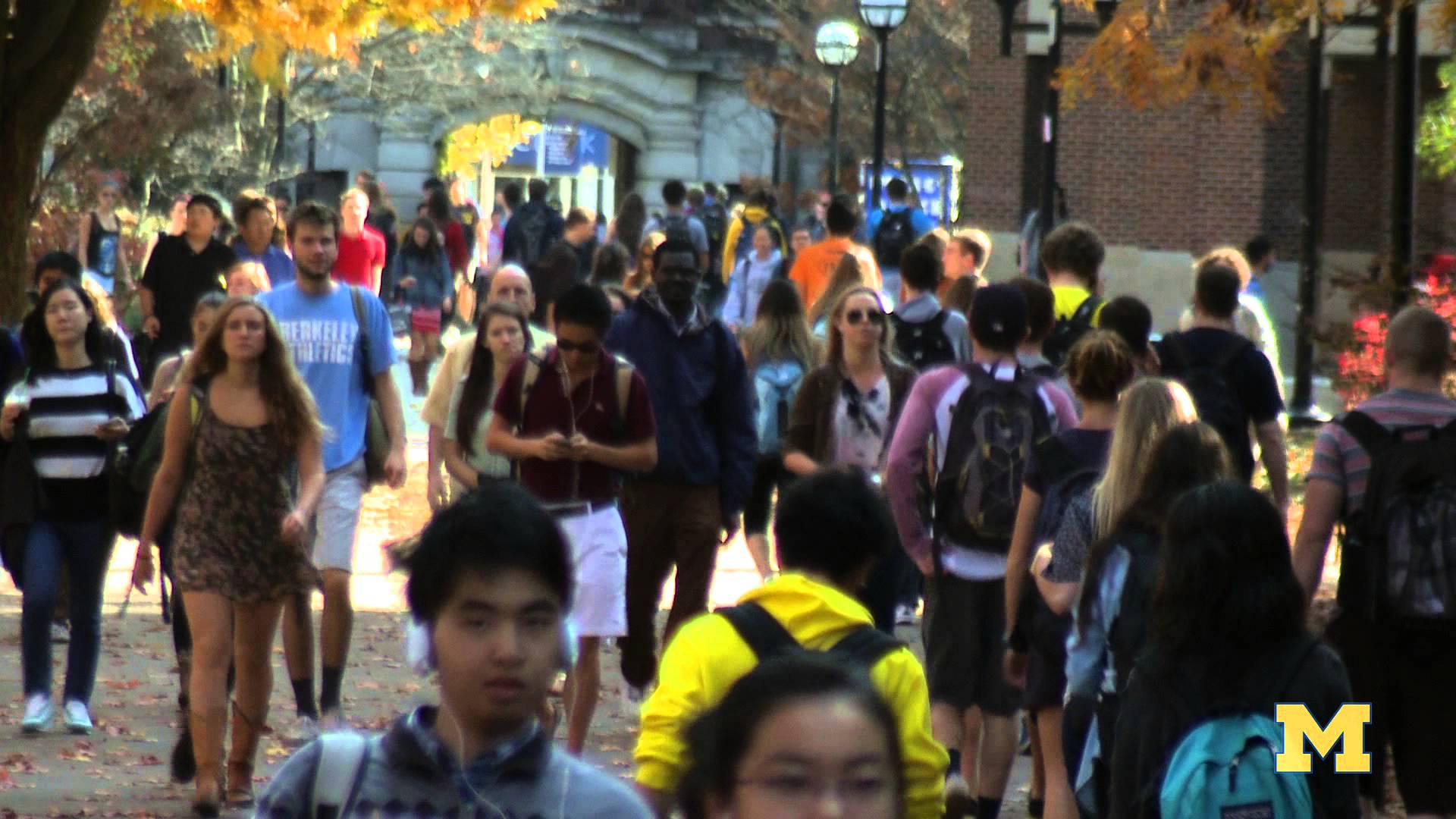
Few subjects provoke as strong a visceral response as the topic of race. One-hundred-and-fifty years after the United States was nearly fractured by the battle over slavery and more than a half-century since the modern Civil Rights Movement emerged, the University of Michigan has launched the Understanding Race Project.
An extensive range of public exhibits, performances, lectures, and symposia will explore the concept of race and its impacts. The project includes participation by all 10 public school districts in Washtenaw County, and extensive involvement by community members, nonprofits, government agencies, and other groups.
“The conversation about race is local, but the critical debate about race is international,” says Amy Harris, co-chair of the Understanding Race Project and director of the U-M Museum of Natural History. “This is a healthy, positive public discussion, regardless of your race and ethnicity, and we look forward to an extended conversation with the community.”
The project is particularly timely as racial prejudice is increasing in the United States, with 51 percent of Americans expressing anti-black attitudes in October 2012, compared with 48 percent in 2008, according to recent polls by the Associated Press.
“The Understanding Race Project is as broad and varied as the cultural and ethnic groups that constitute, define, and sometimes divide the human family here and around the globe,” Harris says. “We invite both the U-M community and the public to join the discussion to learn more about how social constructs like race have defined substantial portions of our history and continue to impact our lives today.”
One of the project’s highlights is an exhibit titled “Race: Are We So Different?” Developed by the American Anthropological Association and the Science Museum of Minnesota, the exhibit is on display through May 27 at the Museum of Natural History. It serves as the cornerstone for The Understanding Race Winter 2013 Theme Semester, sponsored by U-M’s College of Literature, Science, and the Arts.
“The exhibit offers many entry points into the conversation,” Harris says. “It’s a compelling way to encourage people to explore connections and learn how they are impacted by race, whether it’s personally, socially, or politically.”
Visitors see a mosaic of photos, graphics, interactive displays, and artifacts to learn about the history of the idea of race and to evoke an everyday portrait of what it means to live with race as a reference for personal identity, cultural construct, and political constituency.
Throughout LSA’s winter theme semester, 130 courses in several disciplines, including psychology, history, anthropology, gender studies, and Afroamerican and African studies will incorporate race and related subjects.
“As we we venture into the global arena, we see differences, issues, and challenges associated with race cropping up all over the world,” says Lester Monts, senior vice provost for academic affairs and professor of music (ethnomusicology). “We need to provide our students with the social skills to navigate within this multiracial, diverse society. Race is still an issue in our society and it will be until we continue to have the kinds of conversations that I know will grow out of these theme semesters and dialogues, especially among young people. I think we are moving in the direction that will get us there.”