Spellbound?
Messing around
Linguist Mario Pei once described English spelling as “the world’s most awesome mess.”
Without a doubt, English spelling is quirky. (See this video from a previous column about why colonel is spelled the way it is and this one about the spelling of words like knifeand knight.)
Yet, in my experience, when you propose any significant reform to English spelling, people resist. English spelling might be a mess, but it’s our mess. We’ve spent many years in school grappling with it and, perhaps, conquering it. And we’re kind of fond of it.For example, how do you feel about cigaret? Or wuz? Or nemonia?
Modern attempts at systematic spelling reform go back to at least the 16th century, when a British grammarian named William Bullokar made the case for a new spelling system that used doubled letters and diacritics over vowels to clarify things. He even wrote A Bref Grammar of English(1586) using this new system, and I can tell you that it is very slow reading!
Just consider these few examples: genderz of a nown, hau, litl, whoo, som tym, and az.
Independence day
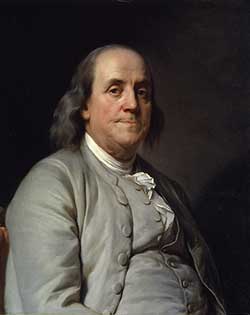
In the U.S., Benjamin Franklin had his own concerns about English spelling. He worried that in the long run, the spelling of English words would lose all correspondence with the pronunciation.
Franklin found an ally in Noah Webster, who shared an interest in promoting logical spellings, as well as developing an American spelling system that would help establish the independence of American English from British English.
In fact, many of the spelling differences between British and American English can be traced back to the reformed spellings in Webster’s 1828 dictionary. For example:
- or rather than –our (honor, color)
- er rather than –re (theater, center)
- ense rather than –ence (defense, offense)
But I don’t want to paint too rosy a picture. Not all of Webster’s reforms were successful. He wanted porpoisesspelled porpesses,and he proposed dropping the final –efrom determineand medicine.
Tenacious “e”
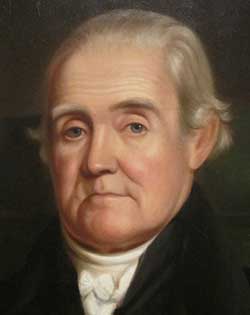
Since Webster’s day, there have continued to be efforts to reform English spelling. In the late 19th century, for instance, the American Philological Reform Association produced lists of new spellings that should be adopted, including: ar, giv, hav, infinit, definit, tho, and wisht.
As you can see, the silent final –eoften has been a target of reform proposals, and yet it tenaciously remains a staple in modern English spelling.
Here is the fundamental question I would ask: Do we really want reform?
For all the complaints out there about the chaos of English spelling, we are quite attached to its idiosyncrasies. We are used to how words look on a page and can find it disconcerting to see them spelled otherwise … Surpriz! And certainly spelling bees would lose much of their interest.
History speaks
On a more serious note, with systematic spelling reform we would lose the historical ties between some related words, which over time have come to be pronounced differently (e.g., south/southern, Christ/Christmas, holy/holiday).
As a historian of the language, I would be sorry to lose the museum of older pronunciations that remain in some English spellings (e.g., gnatreally did used to have an initial “g” sound). Serious discourse on this topic also raises the question of whose pronunciation would set the foundation of reform — my pronunciation of route, roof, and aunt, or yours?
In the end, I think our professed desire to meddle in English spelling is more talk than actual desire for action. It is worth noting, too, that a few spellings are changing right under our noses without a lot of meddling. For instance, donutdoesn’t look funny at all today, nor does catalogor lite.
And perhaps tho,already healthy in the world of social media, eventually will sneak its way, thru the nite, into more formal writing.