Line 5’s history, legal standing and environmental impact: U-M experts weigh in
EXPERTS ANALYSIS
The fate of the Line 5 pipeline, which moves more than 500,000 barrels of oil and natural gas liquids between Wisconsin and Canada daily, is at another critical juncture in its 70-plus year history.
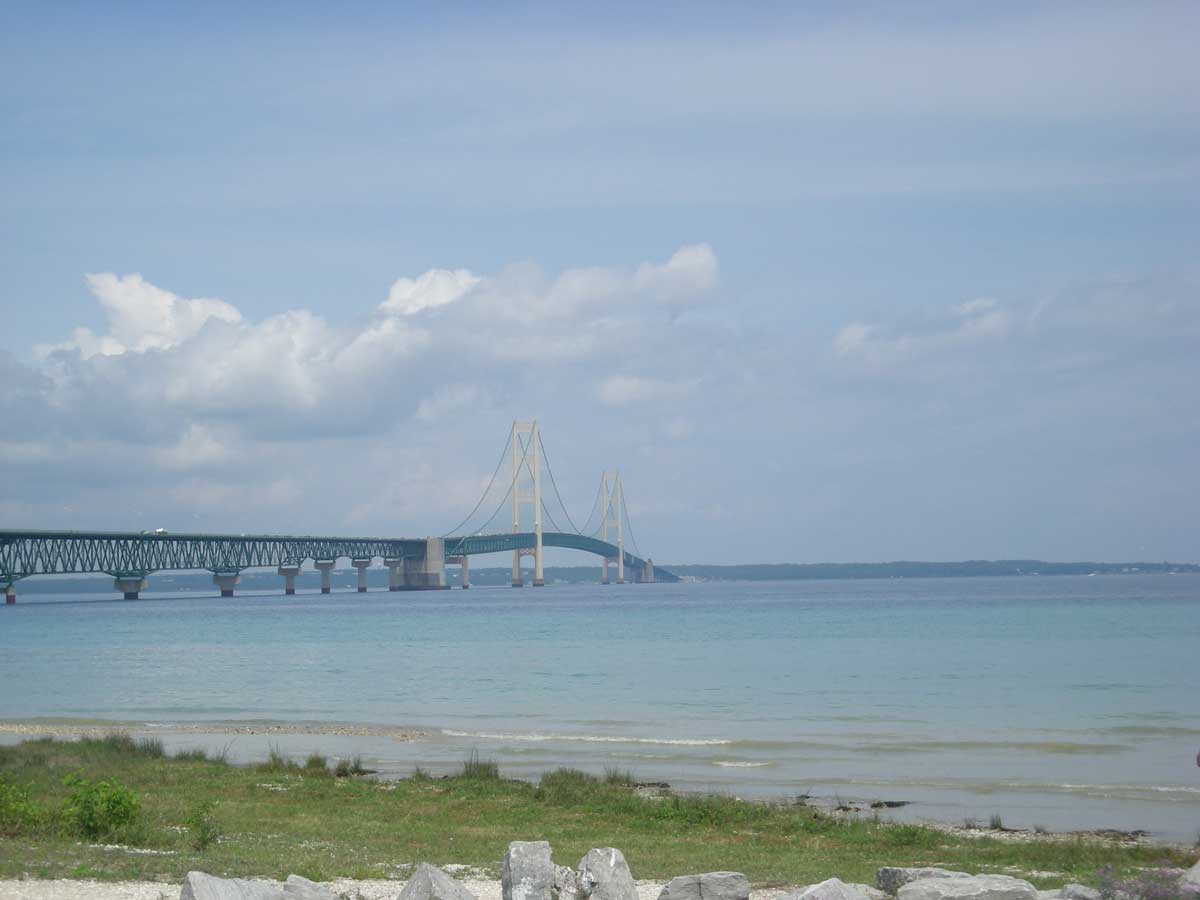
On May 30, the U.S. Army Corps of Engineers is expected to release its environmental assessment of a contentious proposal to bury a section of Line 5 in a tunnel under the Straits of Mackinac.
Several University of Michigan experts are available to comment on Line 5’s history, legal standing and potential environmental impact as the story develops. Full Q&As with each expert are available at the links below.

Andrew Buchsbaum is lecturer at the Law School and an expert in Great Lakes and environmental law. Before joining U-M, he worked in leadership roles with the National Wildlife Federation, co-founded the Healing Our Waters coalition and was an attorney for the National Environmental Law Center.
“Generally, the assessment of the viability, feasibility and hazards of building the tunnel, so far, has been insufficient. It’s been inadequate,” Buchsbaum said. “The federal government is willing to leave to the state of Michigan all the heavy lifting as to whether this thing’s going to work. It also means that the federal government is willing to use the Great Lakes as an experiment. If you don’t have the data and you go ahead and do it, you’re basically saying, ‘We don’t know if it’s going to work. Let’s see.’
“The consequences of failure would be catastrophic for the Great Lakes, for Michigan, for the region and all 40 million people who depend on the Great Lakes for drinking water and their quality of life.”
Q&A: Andrew Buchsbaum: Line 5 and its risks
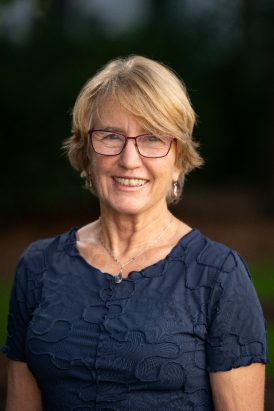
Julia Cole is a climate expert who is also a professor and chair of the Department of Earth and Environmental Sciences.
“We need to cut our consumption in half within a shocking five years from now in order to stay below the international consensus of 1.5 degree Celisus warming. And yet, we are talking about investing in fossil fuel infrastructure that has a lifetime of decades,” Cole said.
“I think people often underestimate the extent to which what sounds like a small amount of warming really impacts their own lives. But when we start talking about warming of even a degree or two, we’re talking about changes in, for example, the spread of infectious disease. We’re talking about places where you can no longer get insurance for your home because of wildfires, sea level rise and storms that are taking out people’s homes in record numbers. Climate change is everywhere now, and we’re experiencing it now.”
Q&A: Julia Cole: Line 5 and climate change

Matthew Fletcher is a professor at the Law School and previously worked as a staff attorney for four tribes: the Pascua Yaqui Tribe, the Hoopa Valley Tribe, the Suquamish Tribe and the Grand Traverse Band. A citizen of the Grand Traverse Band, Fletcher currently sits as the chief justice of the Pokagon Band of Potawatomi Indians, the Poarch Band of Creek Indians and the Grand Traverse Band of Ottawa and Chippewa Indians.
“The consequences of a big oil spill in the Straits of Mackinac would be absolutely catastrophic,” Fletcher said. “It’s an existential threat to tribes. So this is about the survival of whole communities, whole nations. The tribes are here consistently in favor of the environment and that puts them up against some really powerful interests. This is a Canadian company that’s using America as its dirty transportation hub and we’re not getting anything out of it. If we’re interested in American energy independence, this does almost nothing to help us.
“Everybody uses the Straits of Mackinac, everybody uses the inland waters, everybody uses the air. Tribes are the only consistent governmental entities in the state of Michigan, in the Great Lakes region, that are on the side of the people. They’re doing this for everybody.”
Q&A: Matthew Fletcher: Line 5 and American Indian law
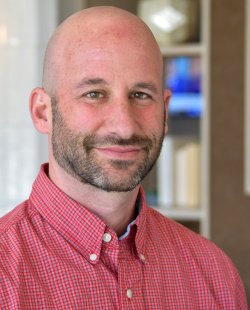
Mike Shriberg is a professor of practice and engagement at the School for Environment and Sustainability and associate director of the Cooperative Institute for Great Lakes Research. Before joining U-M, he was the Great Lakes regional executive director at the National Wildlife Federation and served on former Gov. Snyder’s Pipeline Safety Advisory Board. Shriberg and U-M students have also created a teaching case about the Line 5 controversy that is available for free online.
“Line 5 is an important issue on its own, but what it represents for who has the rights to utilize our natural resources and waterways is critically important, far beyond the specifics of the issue,” Shriberg said.
“The way that I think about Line 5 is, in part, what the overall controversy means in a few different dimensions. One is Indigenous rights. All the tribal governments in Michigan are opposed to the continued operation of Line 5. Some have actually banished Enbridge from their reservations and tribal lands. That’s something that tribal governments take quite seriously and the continuation of Line 5—the building of a pipeline—would be a triumph of corporate rights over Indigenous rights.
“Then the state of Michigan revoked Line 5’s easement to operate. Gov. Whitmer did that in 2021. The state of Michigan said Enbridge no longer has a right to operate in the Straits of Mackinac. Enbridge essentially has said, “We don’t recognize the state’s authority on this.” So this is also really important to states’ rights and the ability of Michigan to protect the Great Lakes. It’s hard to imagine higher stakes.”