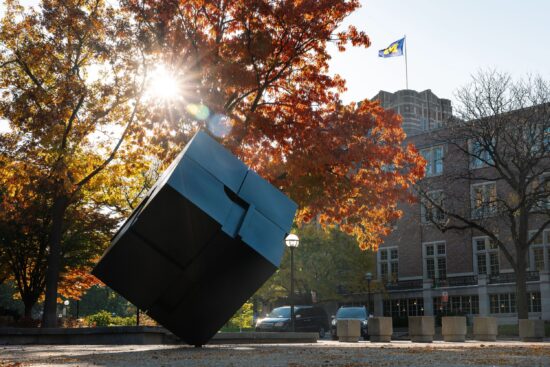
Eight faculty members recognized with research awards
The Office of the Vice President for Research will award eight research faculty members from across the University of Michigan for their leadership and significant contributions in fields ranging from environmental health sciences and natural products chemistry to computer systems and plasma physics.
Lanbo Xiao, Grace Noppert and Nishil Talati will receive the Research Faculty Recognition Award, and Jaclyn Goodrich, Igor Sokolov and Ashu Tripathi will receive the Research Faculty Achievement Award.
This year’s awardees also include Jessica Anand and Matthew Schipper, who have received the newly established Research Faculty Mentor Award, for those who have demonstrated a consistent commitment to providing guidance and fostering academic and career growth for other faculty members, fellows or students.
The awardees will be recognized at the president’s Faculty Awards event this fall.
“The outstanding achievements of these faculty demonstrate the impact and importance of the work that takes place throughout the University of Michigan,” said Arthur Lupia, interim vice president for research and innovation.
“The success of our university is rooted in the dedicated efforts of researchers like these, who are pushing forward our mission to serve the world.”
Research Faculty Recognition Award
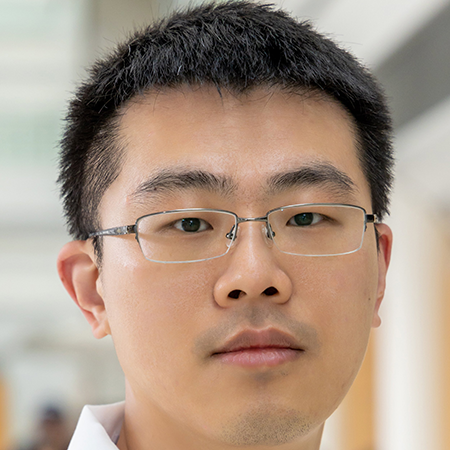

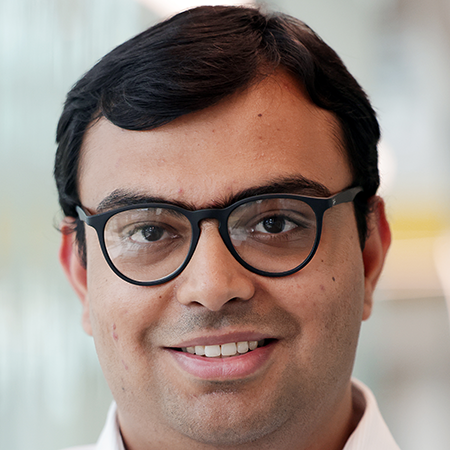
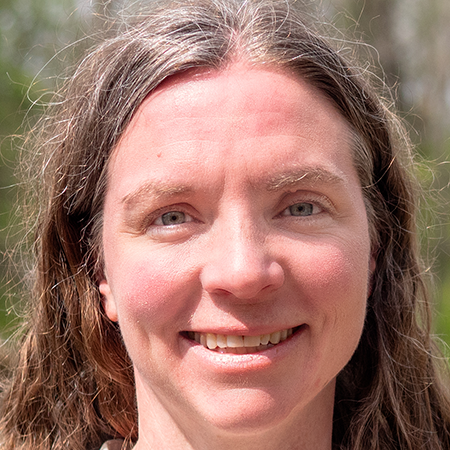
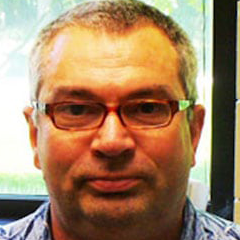
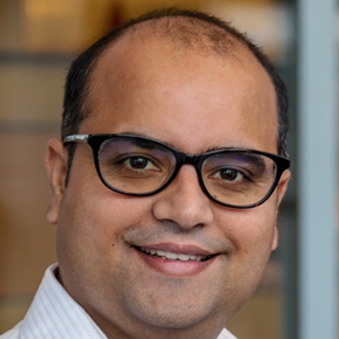

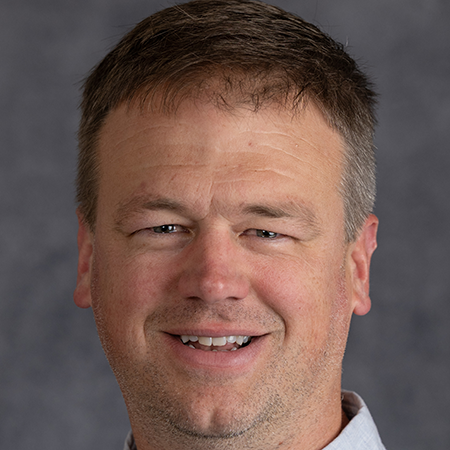
The Research Faculty Recognition Award is presented to research assistant professors or assistant research scientists for exceptional scholarly achievements, as evidenced by publications or other scholarly activities in an academic field of study.
Lanbo Xiao originally came to U-M as a postdoctoral research fellow in 2014. He is working to develop innovative therapeutic strategies for castration-resistant prostate cancer and other human cancers as a research assistant professor at the Michigan Center for Translational Pathology.
Grace Noppert is a research assistant professor at the Institute for Social Research’s Survey Research Center. Her research focuses on how social factors shape individual health over time.
Nishil Talati, an assistant research scientist in the College of Engineering, works at the intersection of hardware and software for AI and data analytics, addressing challenges in performance, scalability and energy efficiency in modern computing.
Research Faculty Achievement Award
The Research Faculty Achievement Award recognizes research associate professors, research scientists and associate research scientists whose work has significantly impacted concepts, methods, technologies or ways of thinking, with potential future effects on research, policy, creative practice or societal outcomes.
Jaclyn Goodrich, research associate professor at the School of Public Health, aims to identify hazardous environmental factors and their health impacts in populations that are underrepresented in research efforts or are burdened by higher toxic exposure levels due to their occupation or the region where they live.
Igor Sokolov is a numerical scientist whose recent scientific contributions have focused on developing algorithms and methodologies to simulate the processes at and near the sun to describe solar wind formation and evolution. He first joined U-M in 2001 and now works as a research scientist in the College of Engineering.
Ashu Tripathi is an associate research scientist at the Life Sciences Institute and research associate professor in the College of Pharmacy. His research focuses on advancing natural product-based drug discovery. His efforts led to the establishment of the Natural Products Discovery Core in 2019, which he directs.
Research Faculty Mentor Award
Jessica Anand, research assistant professor at the Edward F. Domino Research Center within the Medical School’s pharmacology department, has mentored 19 undergraduate and four graduate students since 2014. She also serves on several committees designed to support outreach and training for other pharmacological scientists.
Anand’s research focuses on developing fentanyl-derived antagonists as potential antidotes to rescue people who have overdosed on fentanyl.
Matthew Schipper is a research professor of radiation oncology and biostatistics at the School of Public Health, where he works on multidisciplinary teams to develop and apply statistical methods that can improve the quality and length of life for patients with cancer or other illnesses.
In addition to advising 24 graduate student research assistants, he has supported the training of fellow faculty, clinical residents, graduate students and research staff.