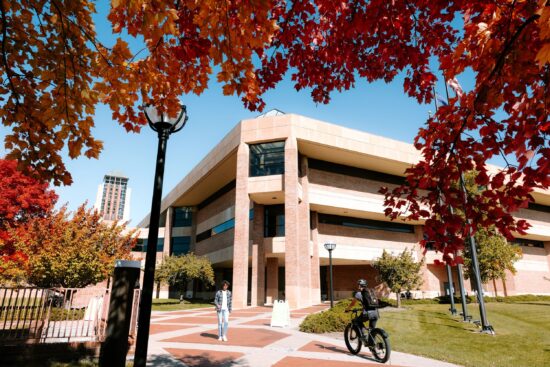
New Digital Dentistry Center marks major milestone
School of Dentistry’s center expands student education, streamlines patient care
The recent opening of a new Digital Dentistry Center at the University of Michigan School of Dentistry will improve care for patients while advancing the education of dental students.
The Digital Dentistry Center, or DDC, is a major milestone in the integration of digital technology into the dental school’s clinical and educational environment. The center is a state-of-the-art, in-house dental lab with the latest technology and equipment to streamline the process for various dental procedures and treatments.
For example, creating crowns, bridges and implants for patients previously was a time-intensive process that required multiple appointments and depended on an outside lab to fabricate the finished products. Now the process can be done entirely in-house, saving time, appointments and cost for both the patient and the school.
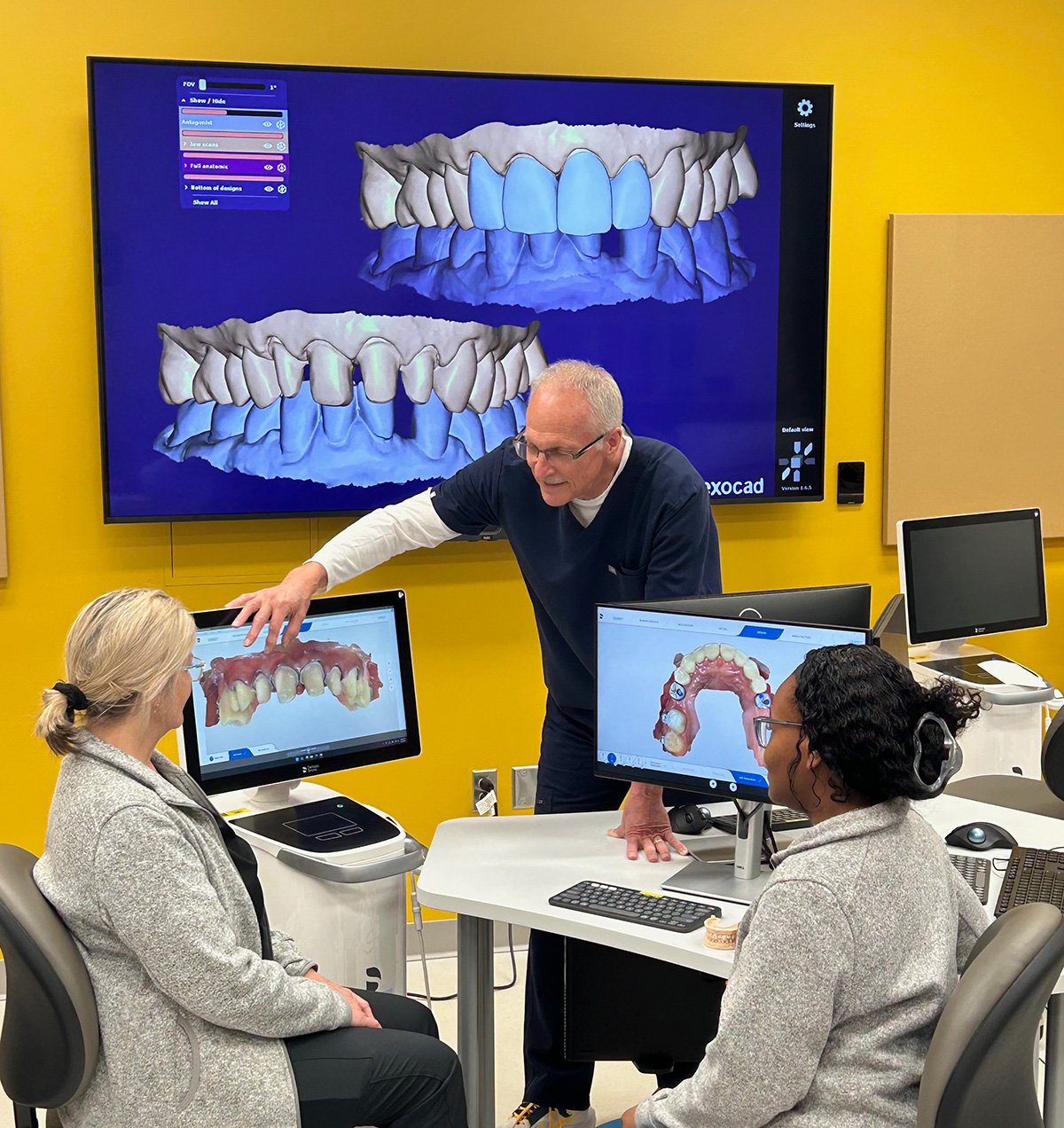
Digital technology is not new to the school. Over the last 30 years, the school has helped lead the profession as a variety of new technologies emerged to revolutionize dentistry, including intraoral scanners that map a patient’s mouth to allow for more precise solutions in the restoration of damaged or diseased teeth.
While various departments and clinics at the school have used digital scanning and milling for the last decade, the new DDC gathers advanced equipment into one location. Equally important, faculty and staff educational experts have studied and implemented the best ways to integrate the teaching of the digital workflow into the curriculum for dental students, dental hygiene students and graduate students in the various dental specialties.
In remarks at the opening reception, Dean Jacques Nör said digital workflows allow dentists to deliver greater precision, efficiency and comfort for patients, reducing wait times and enabling more personalized treatment plans.
“Our goal is to ensure every one of our graduates has the digital dentistry skills needed to provide outstanding and affordable care to their patients,” he said.
Noting that currently about 45% of the dentists in Michigan are graduates of the U-M dental school, he added: “By integrating a comprehensive digital flow in clinical care, we are not only equipping the next generation of dental professionals with advanced skills, but we are also expanding access to high-quality care for our patients.”
People throughout Michigan will benefit from this new center, Nör said, because patients from all 83 counties in the state have been treated at the dental school in recent years.
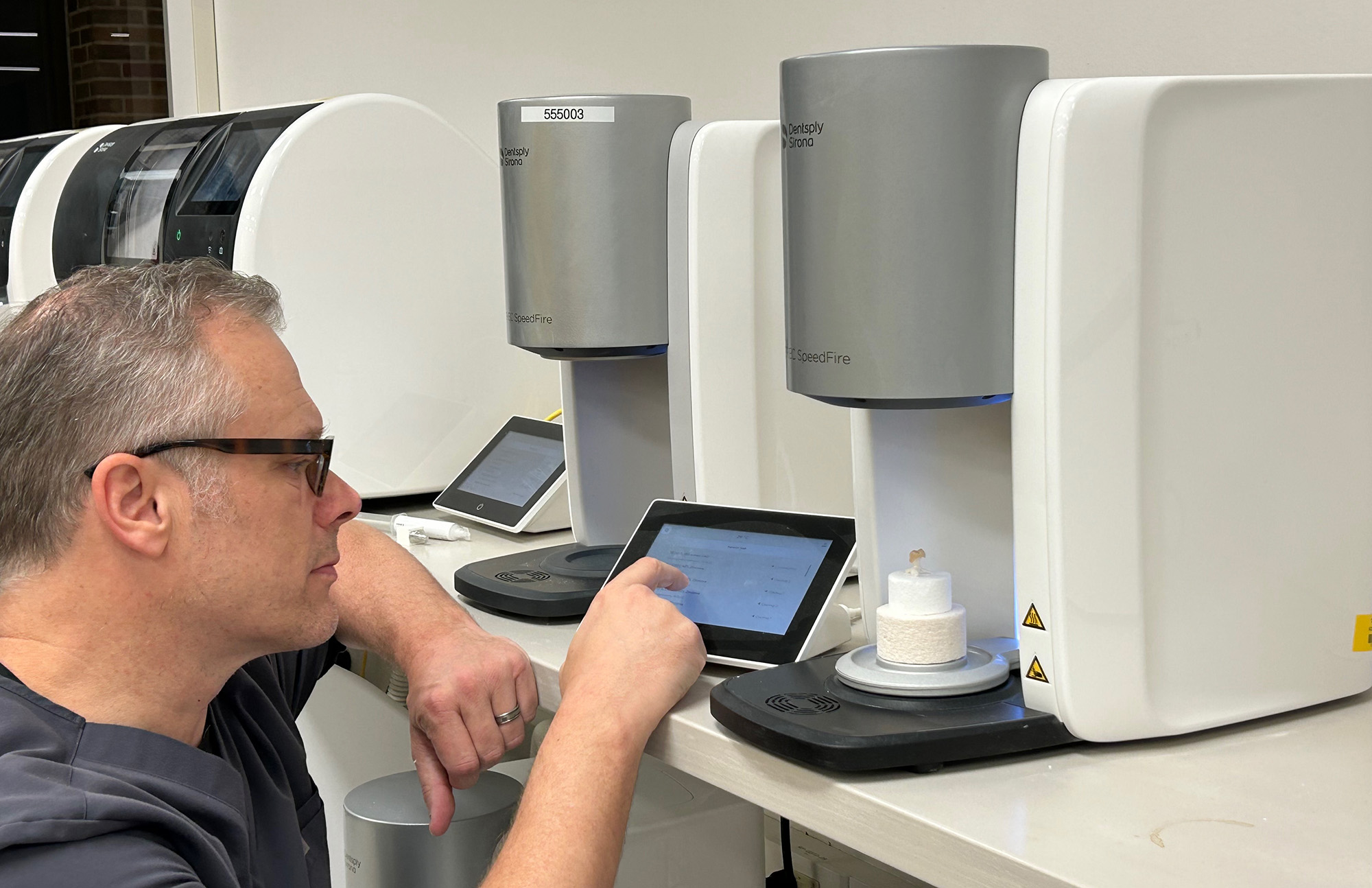
An example of the benefits of the DDC, Nör said, is the common procedure of making a dental crown. It has long required multiple dental appointments, but now it can be done in one visit as the crown is milled by specialized machines in the DDC.
“This makes a big difference, especially for patients who travel for several hours to come to our school from remote places throughout the state, including patients who come all the way from the Upper Peninsula to have care here in our school,” Nör said.
Cassandra Callaghan, the dental school’s chief information officer who was a key member of the team that planned the DDC, said the dental school is leading the way as technological innovation drives dentistry forward.
“It’s important because this center will help us operate more effectively,” Callaghan said. “It will reduce costs. It will shorten patient appointments. And it will lower that access barrier to care that we see.”
Dennis Fasbinder, clinical professor of dentistry and director of operations for the DDC, called the new facility “a hub of innovation” that will evolve continually.
“The DDC was developed with a very simple but powerful vision: How do we embrace digital technology and leverage it to improve our education, patient care and research within the building,” Fasbinder said. “It really gives us an advantage in how we can teach our students so that when they leave this place, they’re ready for that technology. This is just the beginning. We intend to stay at the forefront of this technology. We intend to invest in new capabilities. We intend to develop new educational opportunities for our faculty and our students.
“And just like your cell phone, how often do you have to update those? That’s the kind of vision we have for this place, to keep up with what we want to do.”