The Cook family legacy: A mission to support women leaders
What’s in a name
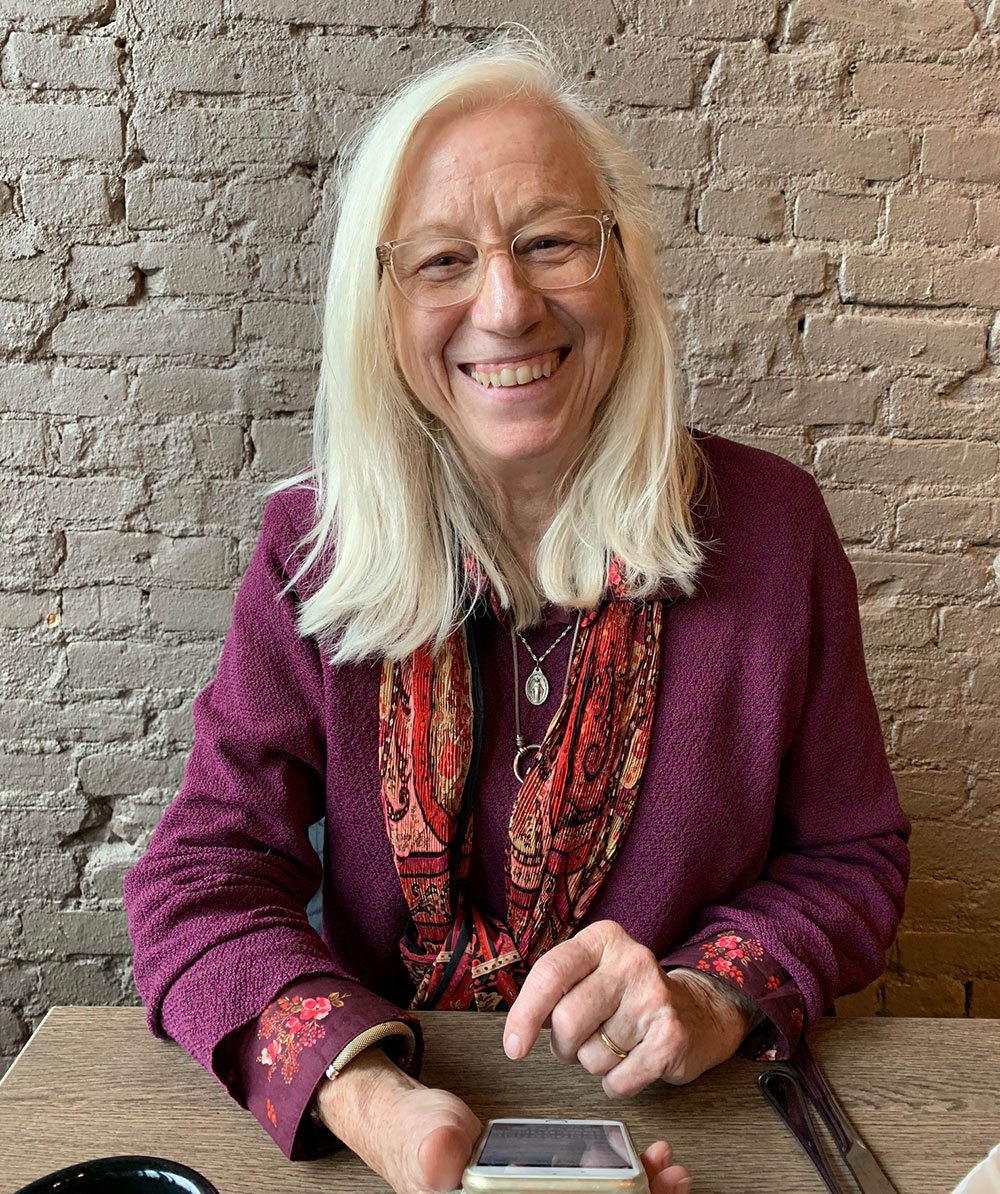
During the 1970s, Martha Nash, BS 1972/AMLS 1974, was known as a quiet, friendly, hard-working student by the other girls living at the Martha Cook Building. She seemed quite at home in the elegant, all-women residence in the heart of U-M’s Central Campus.
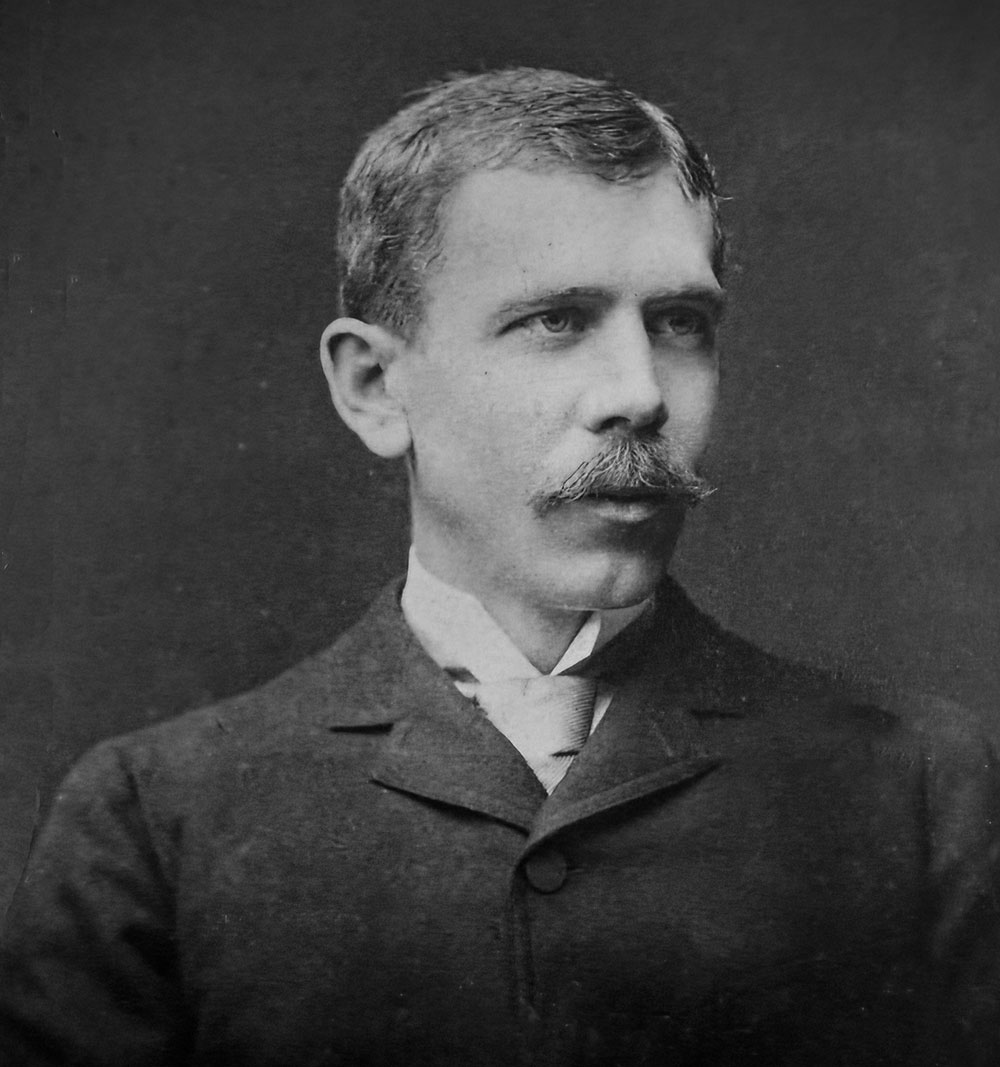
Little did any of us know at the time ― and Martha never let on ― that she was a descendant of the wealthy U-M benefactor, William Wilson Cook, a law graduate of 1882 and an LSA grad of 1880, whose gift in the early 1900s funded construction of the stately brick residence, its park-like grounds and gardens, and its exquisite interior furnishings, which remain much the same a century later.
“My full given name is Martha Cook Nash, and I am the great-grandniece of William W. Cook,” says Martha, whose married name is Campos. “I was named in honor of W.W.’s mother, Martha Wolford Cook, who was my great-great-grandmother.”
That same great-great-grandmother was the inspiration for William W. Cook’s first gift to the University, some $400,000 to build a welcoming home for young women across the economic strata. The residence opened in 1915 and houses 140 female students each year.
These days, Campos, at age 75, is more than happy to share family photos and stories about her illustrious relative and the generations of Cooks who followed in William’s footsteps at U-M.
An elevated legacy
For more than a century, countless Michigan students have lived and studied in the handsome Collegiate-Gothic residence along South University Avenue and Tappan Street that serves as a lasting reminder of William W. Cook’s legacy. The Martha Cook Building is considered by many of its alumnae, fondly known as “Cookies,” to be the most beautiful college dormitory in the U.S.
For his part, Cook left Ann Arbor in the early 1880s after completing his law degree at U-M and headed to New York City, where he became a prominent corporate lawyer and a wealthy investor.
He remained an ardent alumnus and patron throughout his post-Michigan career. During his lifetime, Cook donated millions of dollars to his alma mater not only to underwrite the construction of the Martha Cook Building, but also the Law School’s Lawyers Club (completed in 1924) as well as the John P. Cook dormitory, named for Cook’s father; the Legal Research Building (commonly known as the Law Library); and finally Hutchins Hall. The Cook Law Quadrangle as a whole was dedicated in 1934.
Cook died in 1930 from tuberculosis and bequeathed the bulk of his residual fortune to the University to fund an education trust at the Law School.
Although illness prevented him from returning to Ann Arbor to see the fruits of his philanthropy, Cook’s spirit of generosity and strong belief in women’s education influenced successive generations of the Cook dynasty, as well as the values and stature of the University itself.
“I’m very proud that my second-great uncle gave his fortune to U-M for a cause he believed in,” Campos says. “Since then, our family has continued the tradition of giving back to Michigan through our volunteer work and service to the University.”
Cook family members on the Board of Governors of the Martha Cook Building and Grounds
- Louise Stock Cook, wife of Chauncey Ferris Cook — Term: 1915-21
- Florentine Wilhelmina Cook Heath, BA 1917 (Louise’s daughter) — Terms: 1933-38; 1945-51; 1955-61
- Jane Whitney Cook (wife of Chauncey Ferris Cook Jr. and Campos’ grandmother) — Term: 1939-45
- Ann Bradford Cook, BA 1945 (Campos’ aunt) — Terms: 1961-69; 1975-81
- Martha Jane Cook Nash, BA 1940 (Campos’ mother) — Terms: 1969-75, 1981-84
- Sharon Warnock Nash, BSN 1959 (Campos’ sister-in-law) — Term: 1984-96
- Martha Cook (Nash) Campos, BA 1972/AMLS 1974 — Term: 2017-present
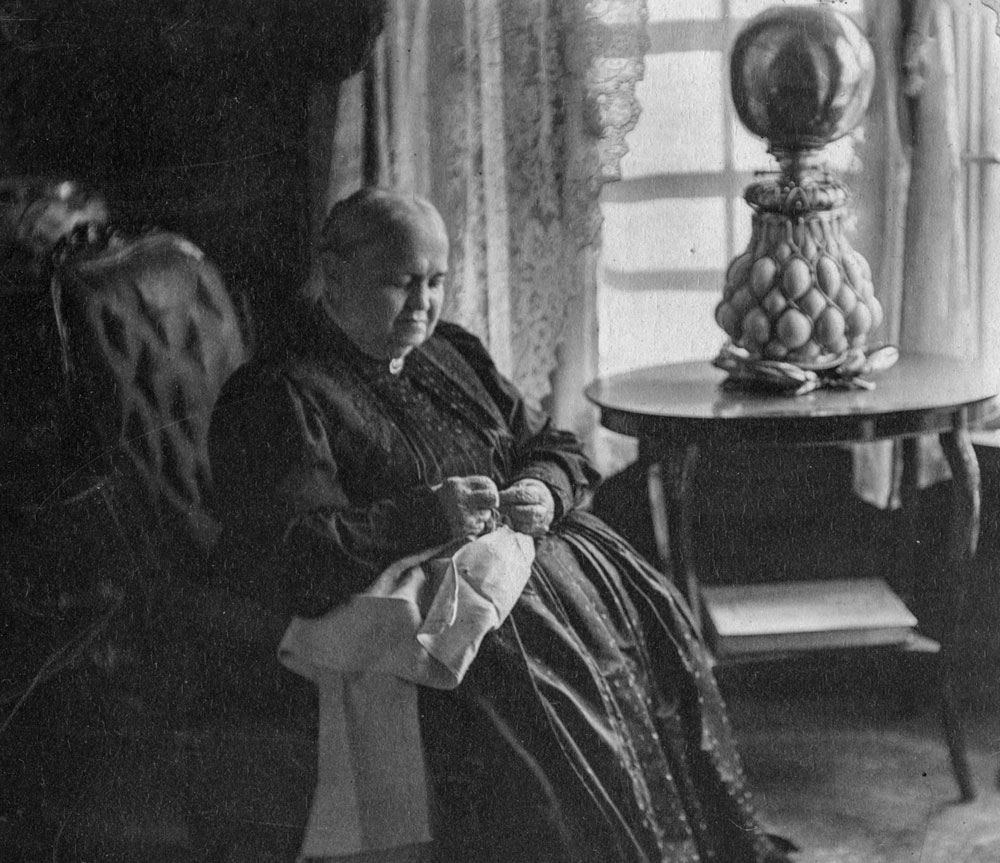
To date, 13 Cook family members from four successive generations, spanning 145 years, have attended or graduated from Michigan with degrees ranging from law and engineering to education and library science. One of Cook’s brothers sat on the U-M Board of Regents, and seven Cook women, including Campos, have served on the Board of Governors of the Martha Cook Building and Grounds.
Closer to home, three family members from three different generations share the same name, Martha Cook.
“My mother, my daughter, and myself are all named in honor of Martha Wolford Cook for the same reason W.W. honored his mother by putting her name on an extraordinary, foundational women’s dormitory at U-M,” Campos says.
Who was the first Martha Cook?
If fate had not taken an unexpected turn, Martha Wolford (1828-1909) might never have married John Potter Cook and become William W. Cook’s mother and the namesake of the Martha Cook Building.
As the story goes, after establishing their businesses and homesteads in the Michigan wilderness, John Potter Cook and his partner, Chauncey W. Ferris, returned to their hometown of Cato, New York, to seek wives.
John was a sixth-generation direct descendant of William Bradford, the first governor of the Plymouth Colony, and he traced his family’s lineage back to the Mayflower. The Wolfords of upstate New York were a Dutch family with three eligible daughters, Martha, Betsey, and Catherine Ann. John proposed marriage to Betsy Wolford and took her as his first wife. Chauncey wed a woman named Julia Marie Smith, and the two couples returned to Michigan.
Pioneer life in Hillsdale County in those days was harsh, and Julia Ferris died in 1841.
Chauncey Ferris gave marriage another shot by marrying the third Wolford sister, Catherine Ann.
Unfortunately, both sisters, Betsey and Catherine Ann, died in 1850, leaving their combined five children, who were returned to Cato to live with grandparents.
Two years later, John and Chauncey traveled back to Cato to pick up their children and pursue new wives. This time around John married the remaining Wolford sister, Martha, who became the first Martha Cook.
Chauncey wed Phebe Elizabeth Hedges. According to a local historical account, the two women managed large households and produced a combined total of 24 children. John and his descendants remained in Hillsdale County and helped build the town of Hillsdale into a thriving community.
“Martha ended up being a stepmother and aunt to her sister’s children, and she also had her own children, so there was always a big passel of kids in her house,” says Martha Cook Nash Campos, who has kept her great-great-grandmother’s diary, written in the 1800s.
“Martha was concerned about creating a warm, loving family life, and she instilled in her son the importance of education for women,” Campos adds. “That inspired him to designate his first gift to the University of Michigan for construction of the Martha Cook Building and the creation of its beautiful grounds.”
Steeped in Cook family lore
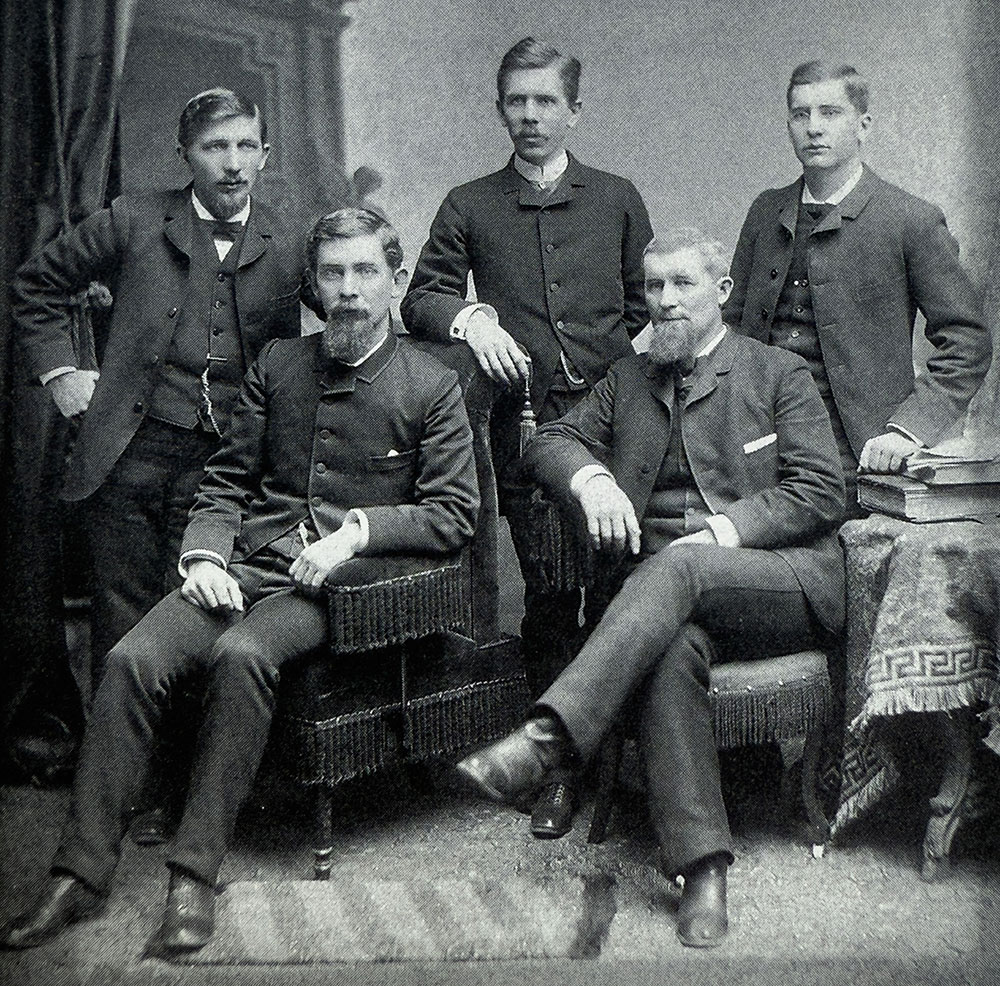
The Nash siblings — Martha and brothers Richard Whitney Nash, BSE 1970/JD 1974, Peter Bradford Nash (attended U-M 1972-73), and Stephen Ellis Nash, BS 1977/M.Arch 1981 — grew up in Lakewood, Ohio, and later moved to Dearborn, Michigan, and then Grand Rapids.
As youngsters, they frequently visited their grandparents’ historic home in Hillsdale, Michigan, and their great-aunt Florentine’s home in Grosse Pointe Farms, where they heard stories about W.W. Cook and the pioneering life of the early Cook family.
According to local lore, in the 1830s, the family patriarch John Potter Cook (1812-84) and his business partner and close friend, Chauncey W. Ferris, left their hometown of Cato, New York, to seek their fortunes in the Michigan wilderness. The young entrepreneurs were in their 20s when they arrived in Jonesville around 1832 and opened a general store, bought land, built a cabin, and started a grist mill.
Eventually the two men settled down in the town of Hillsdale and then returned to Cato several times to find wives. After John Cook married Martha Wolford, he bought an impressive 1863 house, which had a cupola and the first indoor bathtub in the country, according to historical records.
It was there that the couple raised nine children. William Wilson Cook was born third. Successive generations of family members, including Campos’ grandparents, lived in the house for over a century, until 1970.
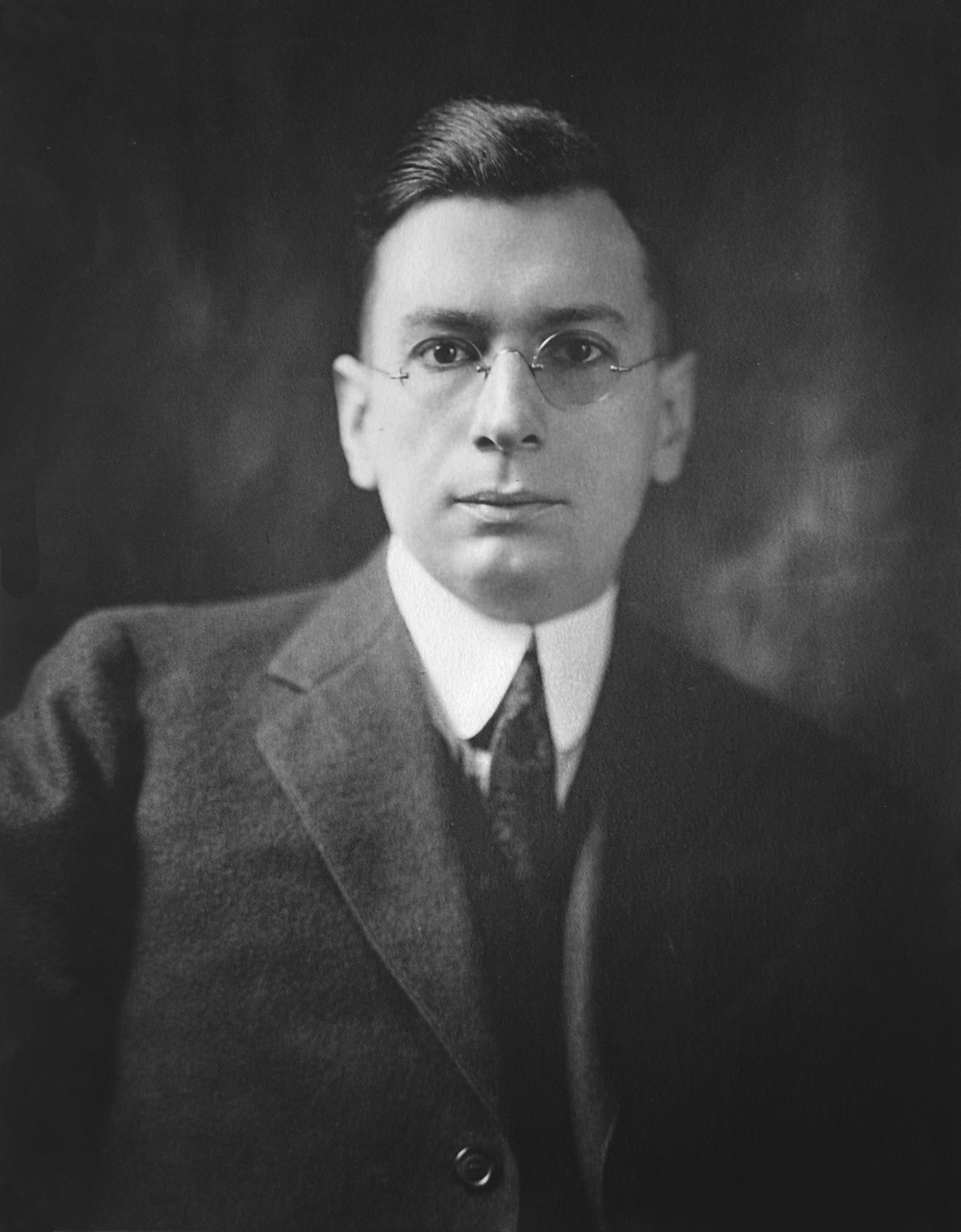
As an adult living in New York, the divorced W.W. Cook never had any children, so he was left to dote on his nieces and nephews. He was especially fond of his brother, Chauncey Ferris Cook, BA 1879/JD 1882, and Chauncey’s two children, Chauncey Ferris Cook Jr., BSE 1914, and Florentine Wilhelmina Cook Heath, BA 1917.
“Chauncey Ferris Cook Jr. was my grandfather,” Campos says. “His sister, who was my great-aunt Florentine, was W.W.’s favorite niece. She lived with him in New York City while she pursued her master’s degree in education at Columbia University.”
Over the years, Florentine regaled Campos and her brothers with captivating stories about Uncle William’s New York social life and the lavish parties they attended in the Big Apple.
“W.W. was no stick-in-the-mud,” Campos says with a laugh.
Cooks on the campus
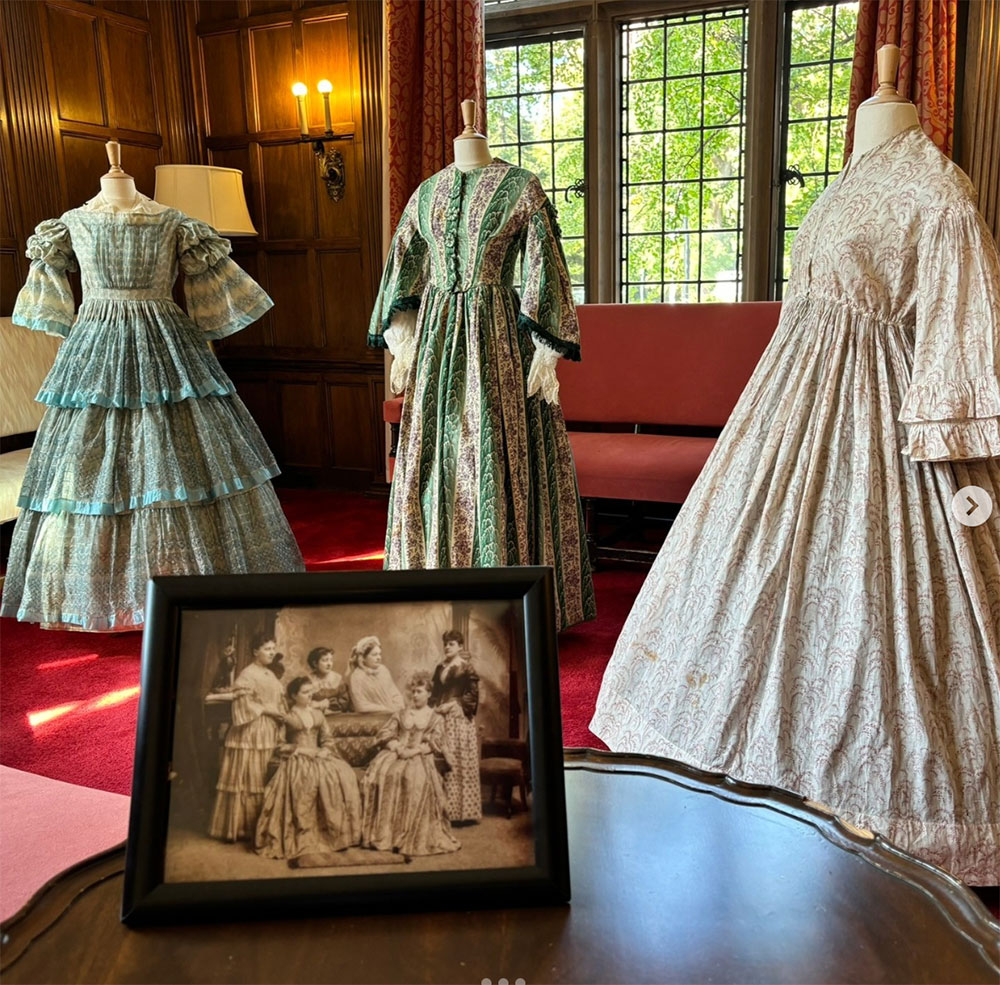
However, William W. Cook was unconventional in one important way. Unlike many of his male contemporaries at the time, he enthusiastically supported strong-willed women, such as Florentine, who wanted to further their formal education and pursue meaningful careers in teaching, the performing arts, and other fields.
One of his motivations for donating money to U-M for the Martha Cook Building and Grounds was to provide a beautiful, gracious home with an artistic environment on campus for young women, including Florentine. She was one of the dorm’s first residents in 1915, and in the early 1930s, she circled back to campus to serve as co-vice president of the U-M Alumni Association and on the board of the Alumnae Council.
In New York, opera singer and pianist Isabel Hauser became W.W.’s protégée and often played the piano and sang at gatherings in his home. He was so fond of Isabel that he had a handsome Steinway piano custom-designed for her. After he died, the piano was moved to the Martha Cook Building where residents still play it during Friday afternoon teas and holiday gatherings.
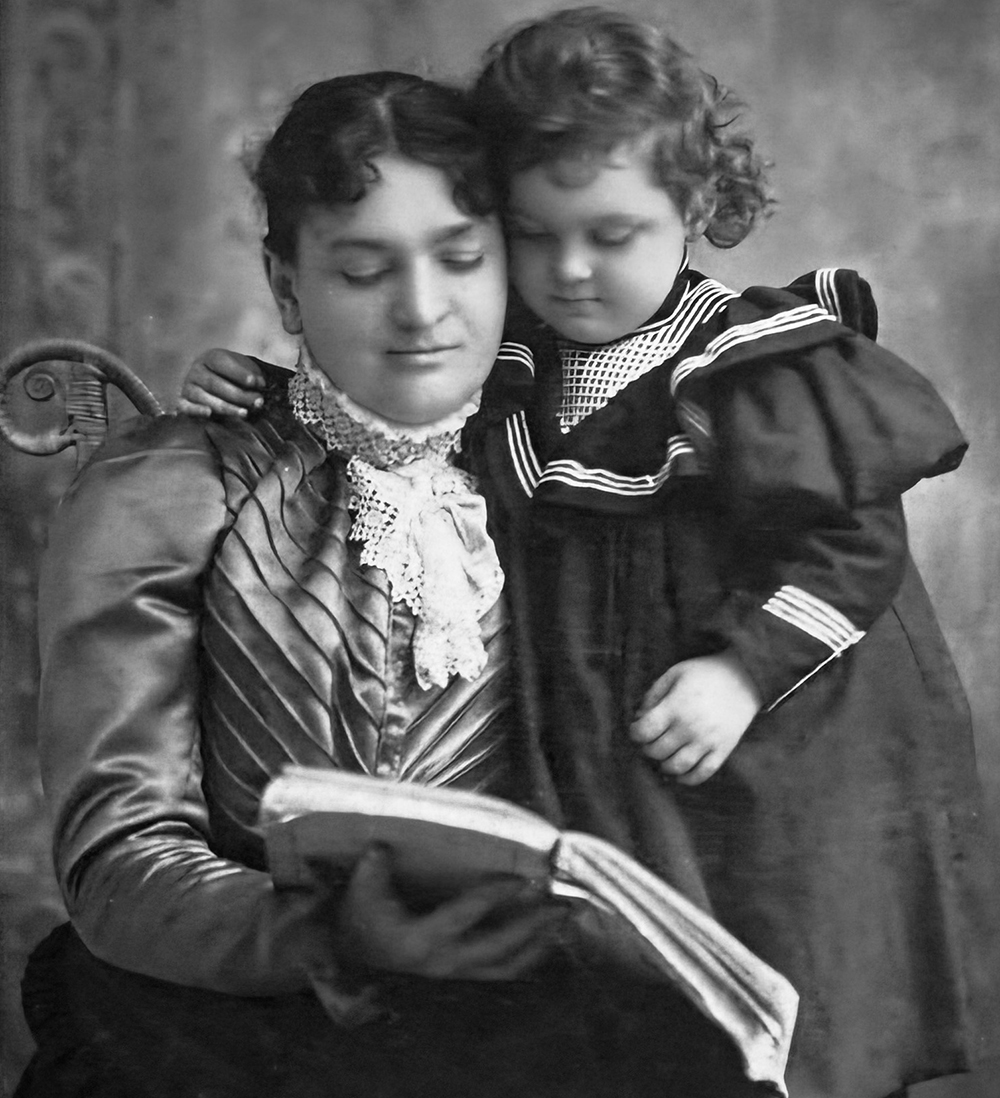
“W.W. liked and appreciated women and their traditional contributions to culture and the world,” Campos says. “In the Deed of Gift, he specified that the U-M Regents appoint a woman or board of women to manage the Martha Cook Building and Grounds. His vision of a college home for women run by women was unique and ahead of its time.”
One of the first women on the Board of Governors was Louise Stock Cook, W.W.’s sister-in-law and Campos’ great-grandmother.
“Her appointment began what has become a family tradition that I am privileged to be part of today,” Campos says. She is the seventh Cook woman to serve on the board.
So many Cooks
Occasionally, the proliferation of Cooks on the U-M campus created comical mix-ups.
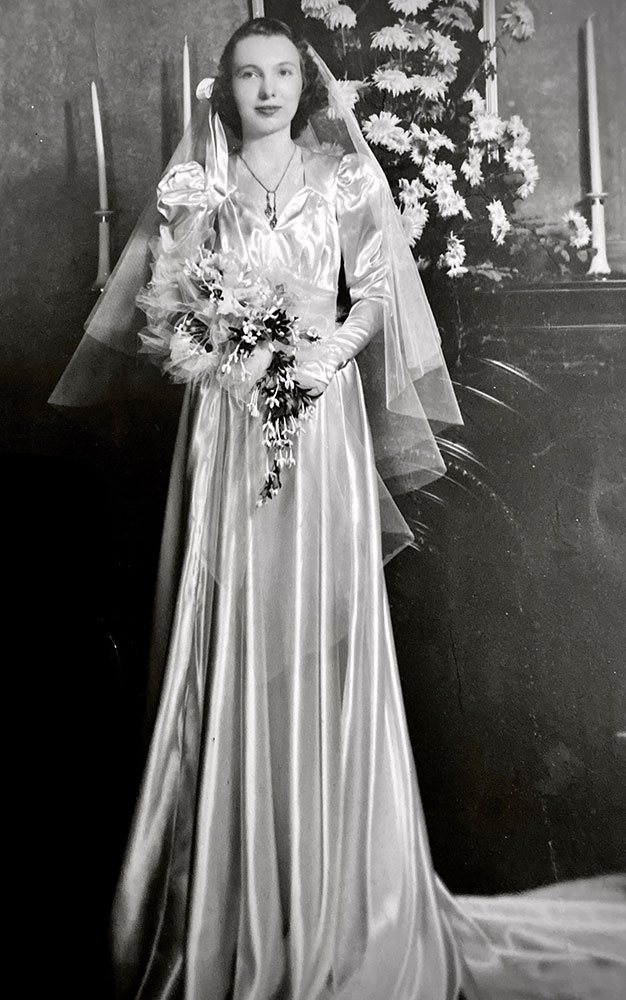
Campos’ mother, Martha Jane Cook, BA 1940, lived during her student years at the Pi Beta Phi sorority on Tappan Street. However, mail addressed to her as “Martha Cook” was often misdelivered to the Martha Cook Building, just up the street.
“One time, my mother was called into the office by University officials and admonished for having a car on campus, which was strictly forbidden in those days,” Campos says. The officials traced the vehicle registration to a person named Cook with a Hillsdale, Michigan, address, so they concluded Martha Jane Cook must be the owner.
“As it turned out, the car did belong to a Cook family member, but not my mother,” Campos says. “It was actually owned by my great-great uncle, Franklin Mead Cook, who was a member of the U-M Board of Regents.” (Franklin attended U-M from 1881-84 and served as a Regent from 1934-43.)
Preserving the Cook family legacy
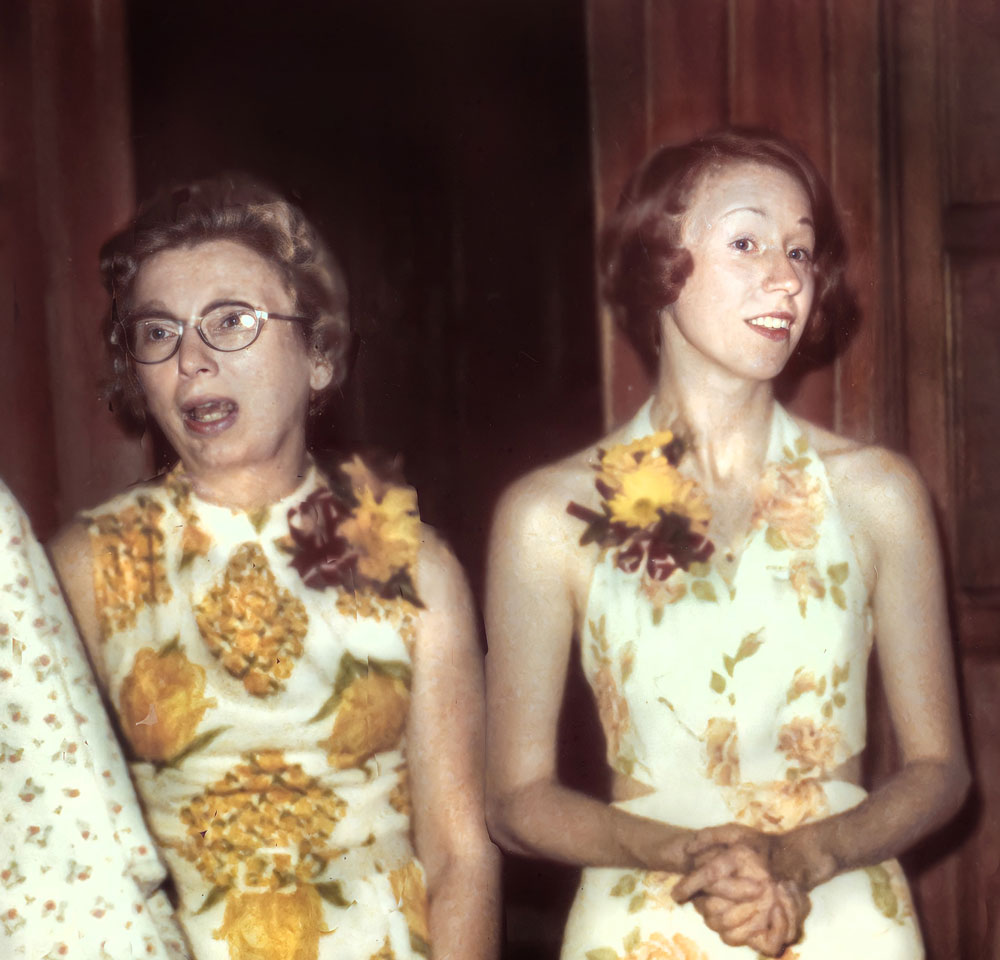
Like many of the independent-minded Cook women who preceded her ― including Florentine, who was the principal at Detroit’s Foch Middle School for many years ― Campos pursued a professional career after leaving the University. As a specialist in the management of law library services, her work at law firms, legal services, corporations, universities, and in private consulting took her across the country, from Philadelphia to San Francisco.
While living in Houston, she met her husband, Raul Campos, an architect and commercial real estate consultant. Today they make their home in Saline, Michigan.
Neither of their two children, Martha Cook Campos and William Bradford Campos, attended the University of Michigan. However, Campos’ daughter, who teaches at the University of Southern California, and her daughter-in-law, Cherish Chen Campos, have expressed interest in serving someday on the Martha Cook Building Board of Governors.
“Our Cook family legacy and mission extend beyond the borders of the University of Michigan,” Campos says. “We are sustaining a unique place where we grow and support women leaders, and that is good for the whole country.”
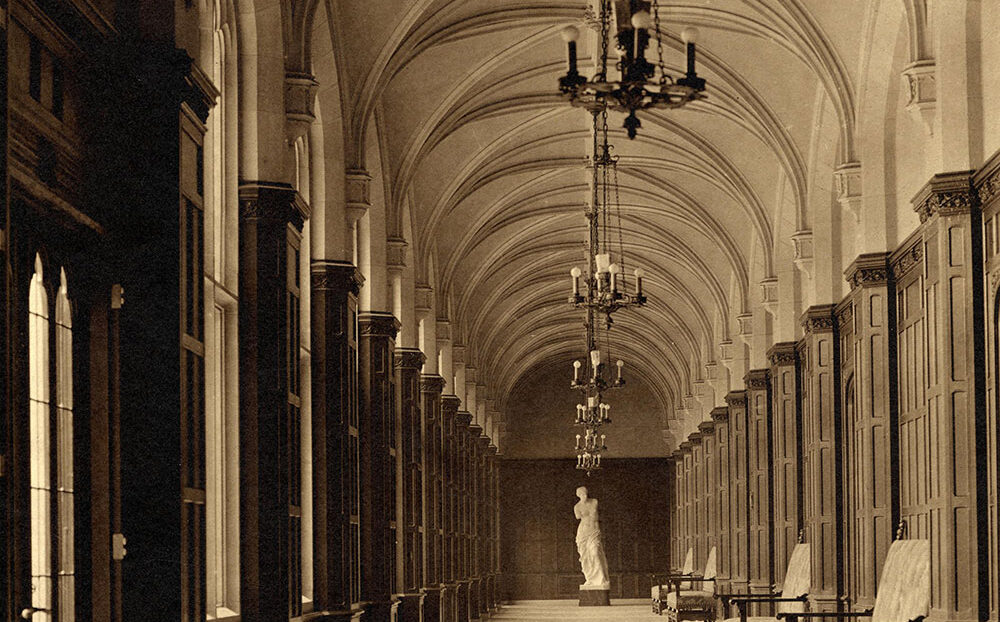
(Lead image: Venus de Milo was installed at the Martha Cook Building in 1917. Image courtesy of U-M’s Bentley Historical Library.)