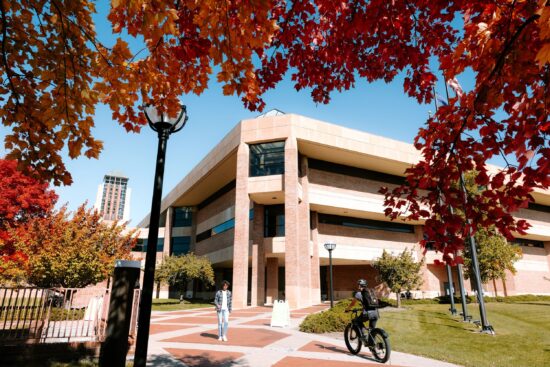
Depression Center wins $4M federal grant
Depression research at U-M soon will have a new home, thanks in part to a new $4 million National Institutes of Health (NIH) grant.
The grant will help fund construction of an entire floor of research space in the Depression Center and Ambulatory Psychiatry facility that will be built at the U-M Health System’s East Ann Arbor properties. Approved by the Board of Regents in July, the building will be completed in 2006.
The research area, totaling 24,000 square feet, will allow researchers to study the causes of depression and bipolar disorder, conduct diagnostic tests and develop treatments, and try to understand the biological roots of these common, debilitating and under-diagnosed mood disorders.
The newly funded space will include labs, clinical investigation facilities and offices, and will be directly above the building’s outpatient clinics and educational facilities.
“The entire Depression Center team welcomes this recognition, financial help and additional space. All are necessary to move research forward and make advances in scientific discovery, diagnosis and treatment,” says Dr. John Greden, executive director of the Depression Center and chair of the Medical School’s Department of Psychiatry. “The NIH’s decision to fully fund our proposal signals the importance of this effort to the nation’s health.”
The Comprehensive Depression Center is the first of its kind in the world, encompassing research, treatment, education and public policy. Proposed in 1999 and founded in 2001, it brings together more than 100 depression experts from seven U-M schools and colleges.
U-M researchers have nearly $13 million in federal and foundation grants to study all aspects of depression, from genetics and brain chemistry to treatment outcomes.
The new space, funded by the grant from the NIH’s National Center for Research Resources and by matching funds from UMHS, will consolidate the Depression Center’s clinical research in a single location convenient for researchers and clinical trial participants. It will augment existing laboratory and office space in other U-M buildings, including the Mental Health Research Institute.
Among the specialized areas within the research floor will be a soundproof sleep lab to study how depression affects sleep and vice versa; a light-therapy, nutrition and physiology laboratory to study the effects of light, exercise and diet on depressive symptoms; computing facilities that will allow rapid processing of brain-scan images and other data through high-speed links to research sites throughout U-M; a translational genetics lab for studies of depression’s chemical and genetic roots; patient assessment rooms, including areas for infants, children and teens; and a telemedicine facility to allow mental health specialists to consult with physicians and psychologists in rural areas and other cities.
The research facility also will provide office and research space for new members of the Depression Center team, who now are being recruited or have recently joined the faculty of the Medical School or other areas. A dedicated Bipolar Disorders Research Clinic will be established.