It Happened at Michigan: 144 Hill St. was home to hundreds of Black U-M students
In the first half of the 20th century, when the University of Michigan’s housing was still largely segregated, an eight-bedroom house at 144 Hill St. was home to more than 250 Black U-M students, many of whom rose to prominence locally and nationally.
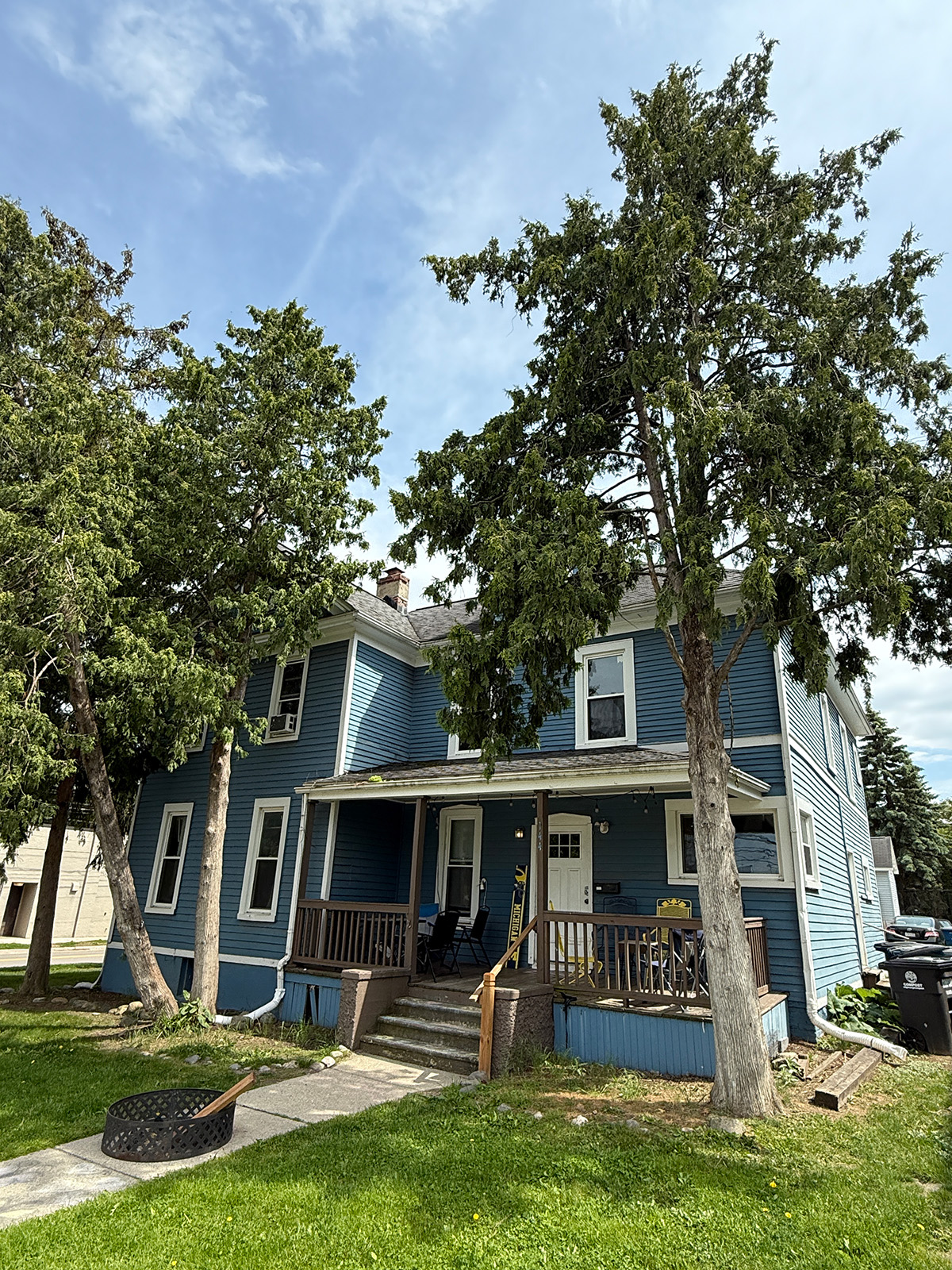
The house at Hill and Greene streets was owned and managed for decades by Esther Dickson, an African American widow born in Canada who came to Ann Arbor in the early 1900s when her son, William, was a student at U-M. William attended the university from 1902-11, beginning in the Law School, then switching to medicine. William went on to become a coroner in Washtenaw County.
In the early 1900s, Esther rented the home primarily to male U-M students, who may have been friends and acquaintances of William. Among the many Black students who called 144 Hill Street home were two Olympians: DeHart Hubbard, who won a gold medal at the 1924 Paris Olympics, and Eddie Tolan, who won two gold medals at the 1932 L.A. Olympics.
Esther’s granddaughter, Esther Tibbs, the first female Black actuary in the United States, also lived at the house. Tibbs graduated from Ann Arbor High School in 1923 and from U-M with a bachelor’s in 1926 and a master’s in 1929. Tibbs went on to become a successful actuary, and according to a recent piece in “Actuarial Review,” may not have been just the first Black woman actuary in the U.S.— she may have been the first Black actuary, period.
After William graduated from U-M, Esther Dickson continued to manage 144 Hill St. and rent it to students. In 1920, a group of Black students formed the Monon Club — and designated Esther’s house its headquarters. The club included members of two historically Black fraternities, Alpha Phi Alpha and Omega Psi Phi, and lasted through 1924.

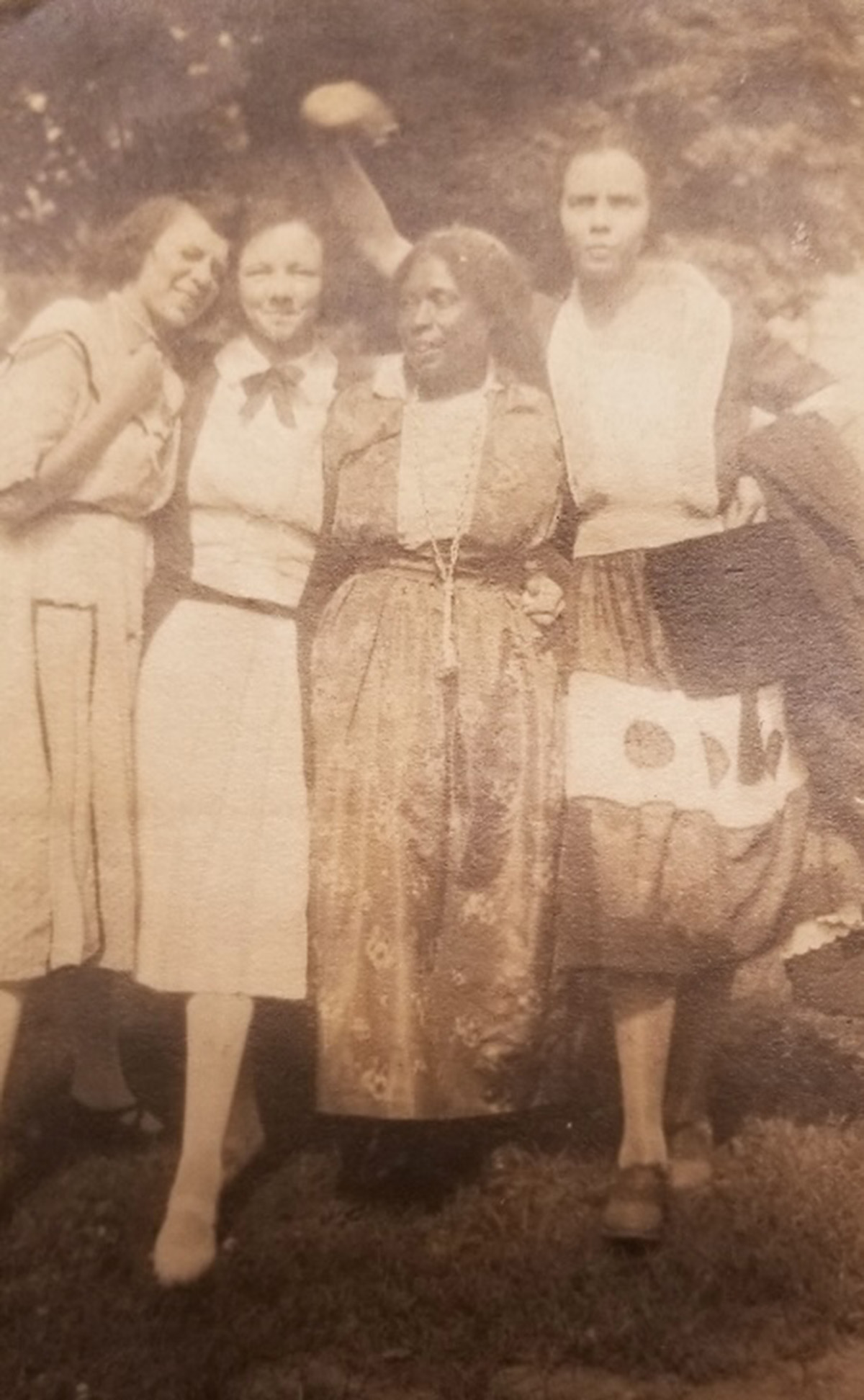
In the late 1920s, as U-M came under fire for denying Black female students lodging in the university’s new dormitories, the administration decided to offer off-campus housing for Black women in what they deemed a “league house.” During the 1928-29 school year, 144 Hill St. was named U-M’s “League House for colored girls.” The university denied this was active segregation because the league house was open to all students, though only Black women lived there.
According to “An Unwritten Law,” which appeared in the Bentley Historical Library Magazine, Alice Lloyd, U-M’s dean of women at the time, stated that her office “did not say at any time that the house was for colored girls only, but that colored girls would be welcomed.”
MORE INFORMATION
The house’s distance from Central Campus and its proximity to active railroad tracks, however, made the location a hard sell for any young woman, and the following year, the university moved the league house to the more centrally located 1102 Ann St.
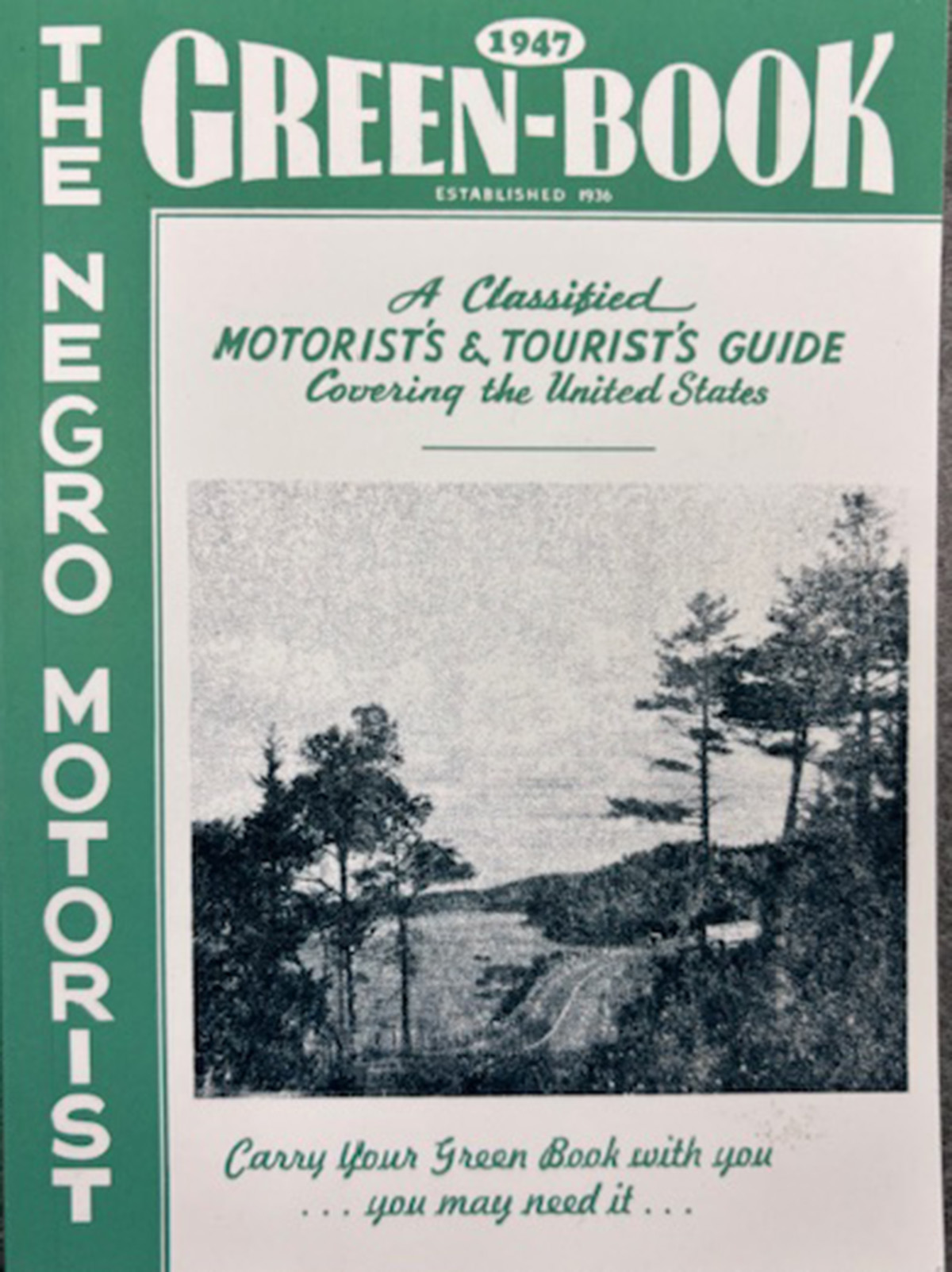
Dickson continued to rent rooms through the 1940s to Black students, and she opened her doors to Black travelers as well. The house at 144 Hill St. was the only Ann Arbor home listed in the ”Negro Motorist Green Book.”
After Dickson died, the house passed to William, who continued to rent it out and provide housing for Black students into the 1950s. The home is still an Ann Arbor rental property today.