Distinguished University Professor presentations set for Sept. 25
Three recipients of one of the University of Michigan’s most prestigious honors, the Distinguished University Professorship, will share highlights of their careers Sept. 25 in Alexander G. Ruthven’s University Hall.
Roger Cone, Deborah Dash Moore and Jeff Fessler will each speak, followed by brief question-and-answer sessions, between 4 and 6 p.m. The public is welcome to attend, and the event will also be livestreamed.
Cone, Dash Moore and Fessler were named Distinguished University Professors by the Board of Regents in 2024.
The Distinguished University Professorship was established in 1947 by the regents to recognize senior faculty members with exceptional scholarly or creative achievements, as well as national or global reputations for academic excellence and superior records of teaching, mentoring and service.
more information
Honorees names their professorship after a person of distinction in their field, often someone associated with the university. Newly appointed recipients also give an inaugural lecture that highlights their professional and scholarly experience.
Here is a summary of each honoree’s career and a preview of what each will present:
Roger D. Cone
“How the Brain Regulates Body Weight”
Cone is the Tadataka Yamada Distinguished Professor of Molecular and Integrative Physiology in the Medical School. He is also the Mary Sue Coleman Director of the Life Sciences Institute; a research professor in the Life Sciences Institute; professor of molecular, cellular and developmental biology in LSA; and professor of molecular and integrative physiology in the Medical School.
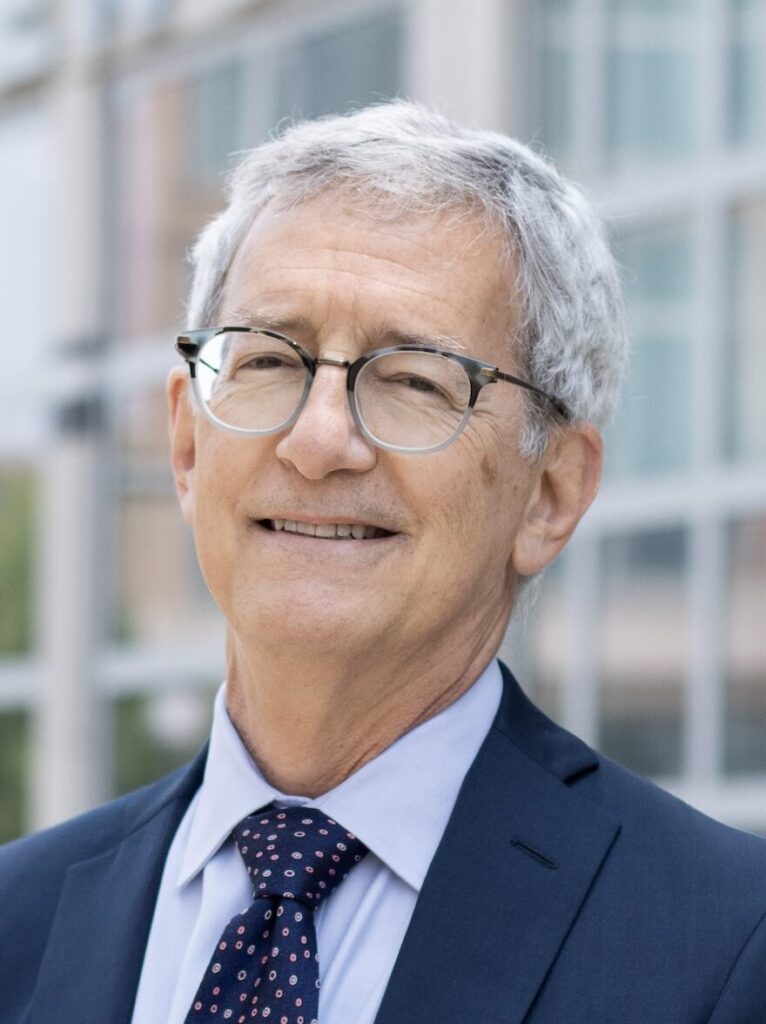
A world leader in the field of obesity and metabolic disease research, Cone identified and cloned receptor genes that play a critical role in the regulation of energy balance by the brain, a landmark discovery in neuroscience and physiology that led to the first therapeutic agent for multiple genetic obesity syndromes.
In 2016, Cone was named the Mary Sue Coleman Director of the Life Sciences Institute and soon thereafter vice provost and director of the Biosciences Initiative.
He earned his Ph.D. at the Massachusetts Institute of Technology (1985) and spent two decades at the Vollum Institute, a neuroscience research institute affiliated with Oregon Health & Science University. He joined Vanderbilt University (2008) as chair of the physiology department.
At U-M, he champions innovation and advances promising life-sciences initiatives and new funding packages to retain and recruit top-tier scholars, including “genius” awards for mid-career faculty. He has secured 20 U.S. patents, co-founded three biotech companies, taught molecular and cell biology and neurobiology for 25 years, and mentored 21 doctoral trainees and 38 post-doctoral fellows.
In their recommendation letter to the Board of Regents, Laurie McCauley, provost and executive vice president for academic affairs, and Michael Solomon, Rackham Graduate School dean and vice provost for academic affairs – graduate studies, wrote, “Professor Cone and his collaborators have changed scientists’ understanding of the biology of appetite and weight regulation. He has been an outstanding leader for a large group of independent scientists who are addressing a broad array of challenges in biomedical research.”
Cone’s presentation on Sept. 25 will explain how the brain regulates body weight homeostatically — similar to the way a thermostat keeps room temperature constant. He will also describe the journey of discovery from identification of the first obesity genes to the development of the first truly effective mechanism-based obesity therapeutics.
Deborah Dash Moore
“Vernacular Religion in Robert Frank’s The Americans”
Dash Moore is the Jonathan Freedman Distinguished University Professor of History and Judaic Studies in LSA. She is also acting director of the Jean and Samuel Frankel Center for Judaic Studies, and a world-renowned scholar of American Jewish History and Jewish Women’s History. She joined U-M (2005) as director of the Jean and Samuel Frankel Center for Judaic Studies and expanded it into an internationally respected Jewish Studies program.
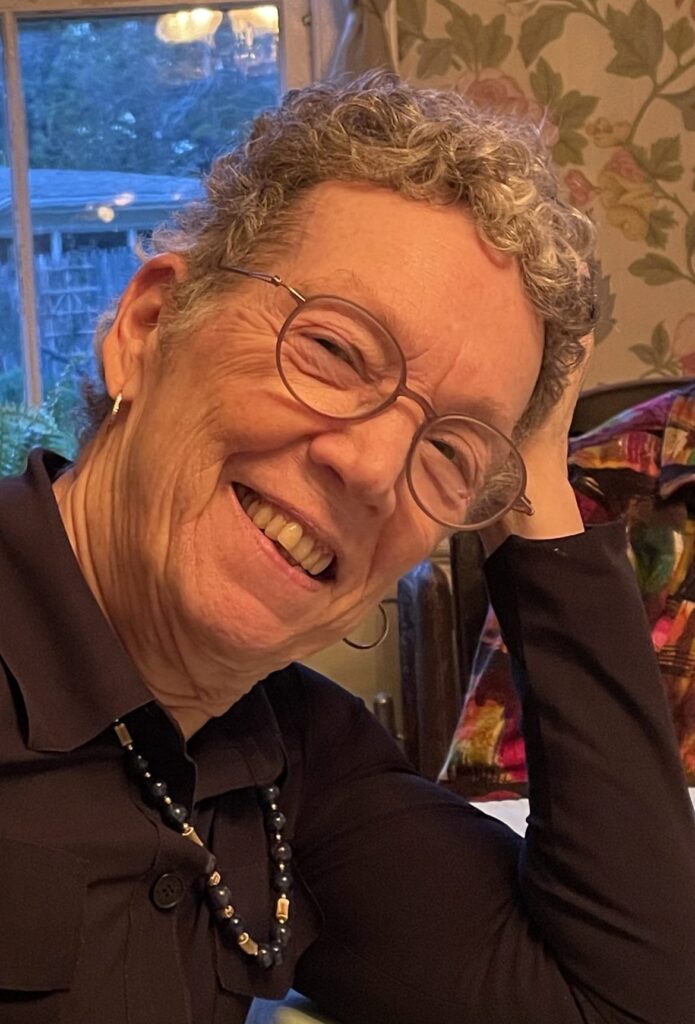
Under her leadership, the center established the Frankel Institute for Advanced Judaic Studies (2007), which hosts scholars from around the world, and a graduate certificate in Judaic studies (2008) for students working toward doctoral degrees in related disciplines.
As the author of eight books, Dash Moore has explored America as modern Jewish scholars concentrated on Europe; on women when the emphasis was on men; and on immersion in Jewish identity when others touted assimilation. She is the recipient of three National Jewish Book Awards (2011, 2013, 2023), the Jewish Cultural Achievement Award (2013), and the Lee Max Friedman Award Medal for distinguished service in the field of American Jewish History (2012).
“Professor Dash Moore has been a consummate editor, convener and leader of innovative projects that have shaped the field of Jewish studies,” McCauley and Solomon wrote. “Her work opened the door for further explorations of religious practices, racial conflict and Jewish political radicalism in the United States.”
Dash Moore’s presentation will focus on how the photographs of American Jewish photographer Robert Frank investigate the American vernacular religious expression, as well as narrate Frank’s own Jewish interpretation of American culture.
In 1955, Frank received a Guggenheim fellowship to photograph around the United States using a small format 35mm camera. In Frank’s words, his purpose was to produce a “record of what one naturalized American [sees] in the United States that signifies the kind of civilization born here and spreading elsewhere.”
Jeff Fessler
“The AI of the Beholder in Medical Imaging”
Fessler is the William L. Root Distinguished University Professor, Electrical Engineering and Computer Science in the College of Engineering. He is also professor of biomedical engineering in the College of Engineering, and professor of radiology in the Medical School.
Fessler and his group have contributed significantly to the complex mathematics and algorithms that convert data gathered by medical imaging machines into the images that physicians, clinicians, and researchers use in their work. His methods have improved the accuracy of cardiac stress tests used for thousands of patients at the U-M Hospital.
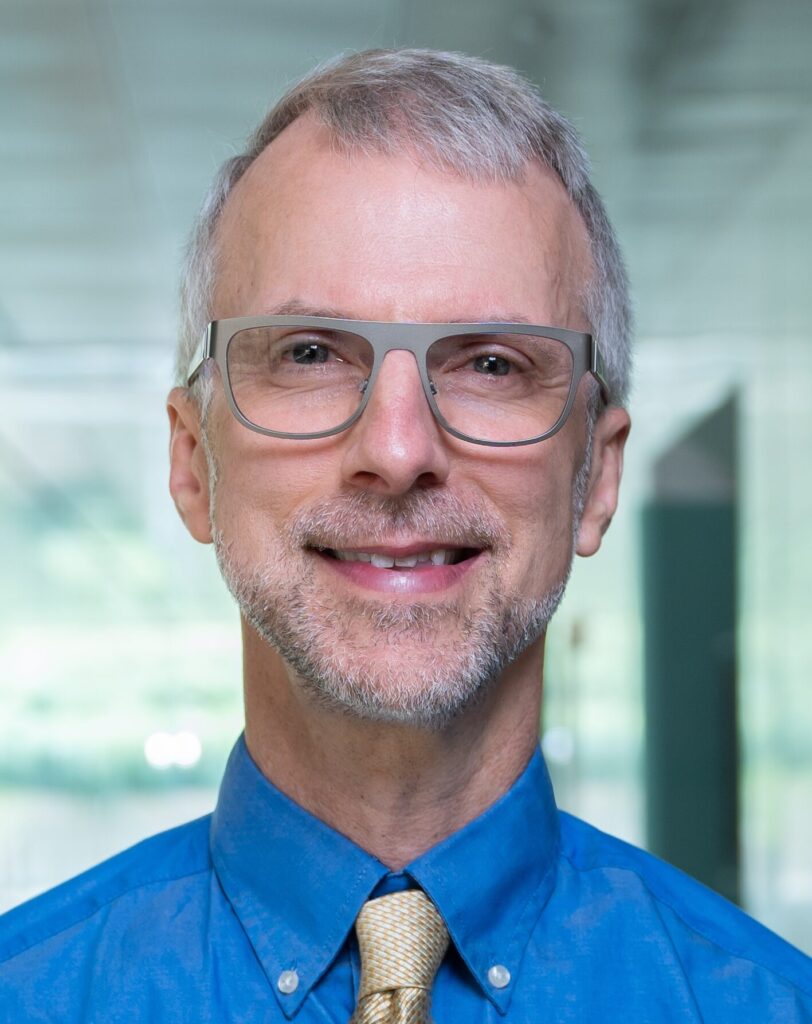
Fessler’s work in the realm of image reconstruction algorithms for low-dose computed tomography has allowed clinicians to generate better images while exposing patients to less radiation. His impact on the medical imaging world also extends to magnetic resonance imaging, or MRI. He is responsible for the code repository called the “Michigan Image Reconstruction Toolbox” that has been downloaded thousands of times by the imaging community.
“Professor Fessler’s work in the field of image reconstruction for medical imaging impacts millions of patients each year,” McCauley and Solomon wrote. “His work has informed technological improvements in the medical imaging industry and inspired the wider imaging community.”
In his lecture, Fessler will highlight recent collaborative work involving machine learning methods for improving medical image formation towards the goal of making CT scans even safer and MRI scans faster, quieter and more accurate.