Research Cores Office launches new, centralized resource website
The Research Cores Office has launched a new website that serves as a central portal for University of Michigan researchers searching for services and expertise related to centralized shared resources.
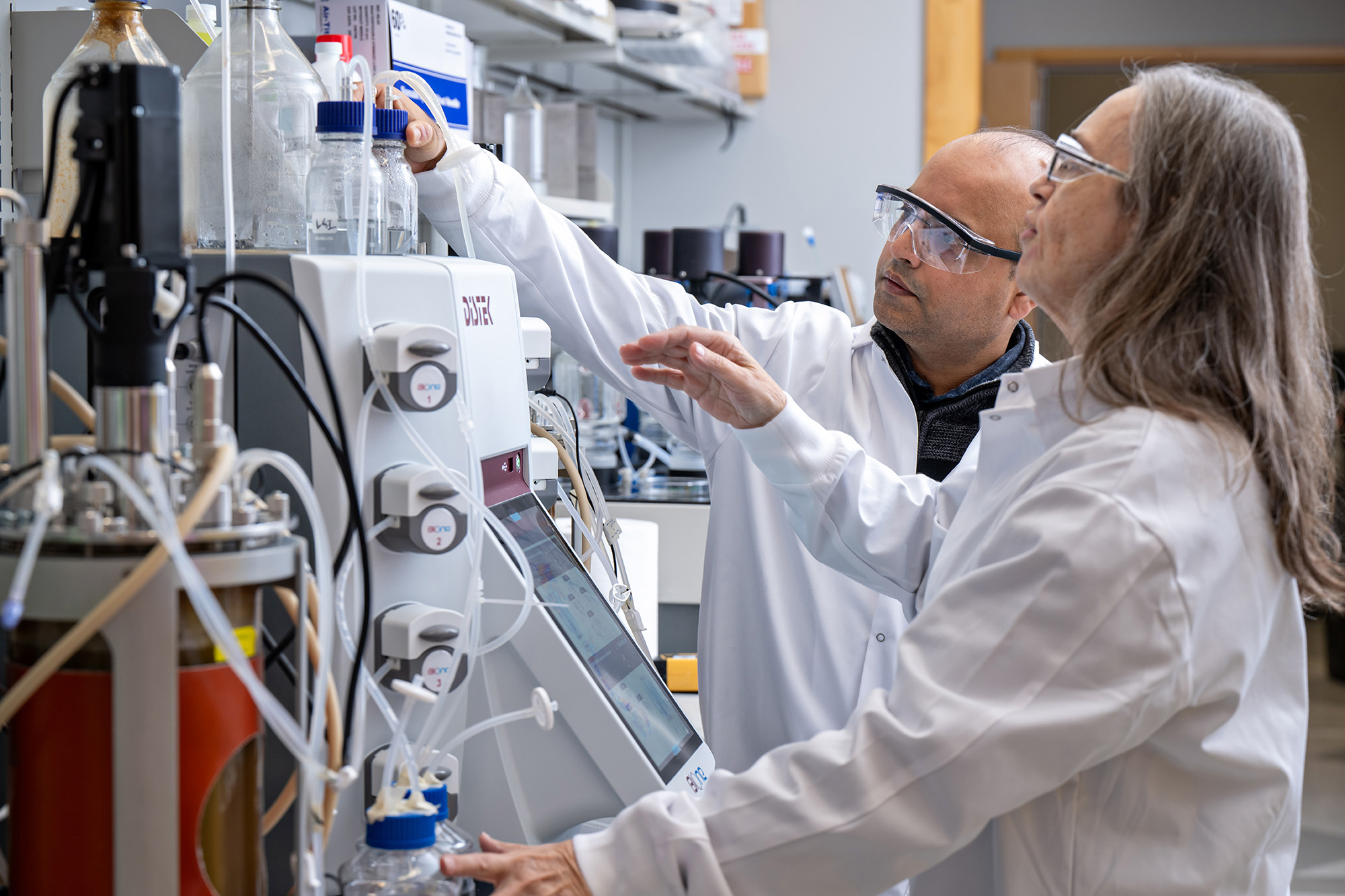
A research core is a shared facility that offers services, equipment and expertise to investigators, often on a fee-for-service basis.
MORE INFORMATION
U-M has invested in a strong assortment of core facilities that allow researchers convenient, reliable access to cost-effective resources, from world-class electron microscopes to a full-service battery cell fabrication and testing facility.
These resources enable researchers to undertake ambitious projects with the most advanced technology.
The new website includes many of the more than 85 cores that are available on campus. The website’s database allows users to browse or search by service category, equipment or keyword.
The website also serves core facility staff members, who can find guidance and resources for managing their facilities, including equipment grants, communities of practice and information on the various business operations systems needed to run centers.
“Our core facilities are crucial tools in the discovery process,” said Evan Keller, director of the Research Cores Office. “They make it possible for our researchers to test ideas and reach for new solutions to difficult problems. The equipment and expertise provided by these centers accelerate their ability to pivot and try novel concepts that lead to transformational breakthroughs.”
The office, located within the Office of the Vice President for Research, serves as a centralized support system to enhance the ability of U-M Research Cores to promote transformational research. Their mission is to create resources that allow cores to further expand their ability to serve researchers and provide access to cutting-edge technology, while reducing administrative hurdles.
Cores offer not only access to some of the most advanced equipment available, but also training and consulting services, so researchers can be as innovative as possible in conducting experiments.
“The expert advice offered by the scientists and engineers who staff our many core facilities allows researchers to stay focused on their science,” Keller said. “They not only maintain the advanced equipment that makes unique experimentation possible, they also provide immeasurably valuable insight and hands-on training.”