Collective soul
On the path to ‘catastrophic?’
I started my first course on climate change in 2006 at the request of three students in policy and business. The focus of this course was on the intersections between climate change and all aspects of society.
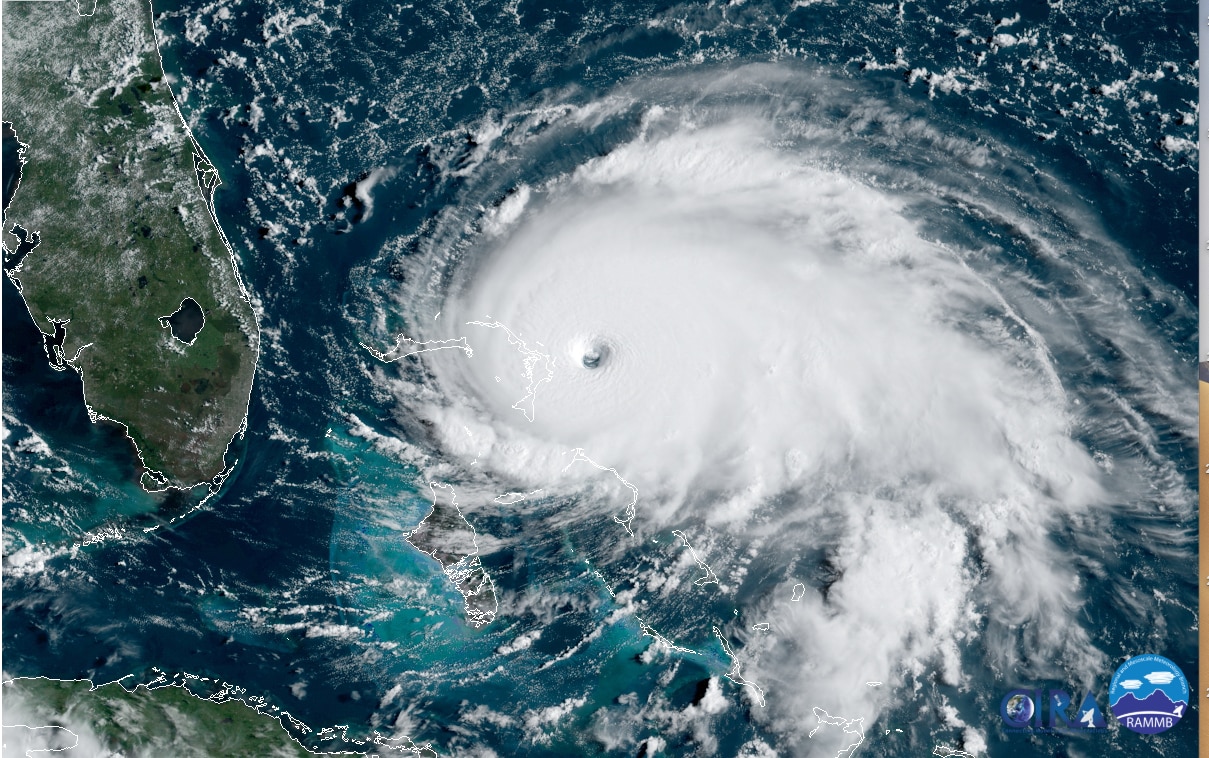
In 2008, it was obvious that we, collectively, were not going to reduce our carbon dioxide emissions enough to avoid dangerous global warming. Indeed, by this time we were seeing migrations from low-lying barrier islands along the U.S. coast and from Alaskan villages that were no longer protected from erosion by permanent sea ice. We had experienced Hurrican Katrina, and we were understanding the vulnerability of New Orleans and many cities along the country’s East Coast.
In 2008, we were, about, 1 degree warmer than the pre-industrial world and already experiencing dangerous climate change. I changed my courses to think about a world 4 degrees C warmer, with the idea that examining this 4-degree world would motivate more realistic thinking about how to intervene and keep this from happening.
Now, some scientists describe a 3-degree warmer world as “catastrophic,” and a 5-degree world as “unknown.”
Necessary losses
There is no evidence-based knowledge that we, globally, are on a path to reduce our carbon dioxide emissions. There is no evidence-based logic to support that we will develop, in the next decade, federal or global policy that will reduce carbon dioxide emissions.
We are on a path to “catastrophic” or “unknown.” In order to manage global warming, we will have to develop technology to remove carbon dioxide from the atmosphere.
This does not mean that we are relieved of our responsibility to reduce carbon dioxide emissions.Now, in my courses, I talk about necessary losses. Preservation will have to change. Conservation will have to change. Legacy will have to change. We are not going back.
We are creatures with an amazing ability to adapt. We have knowledge of the future, which offers us the potential to thrive. When I describe problem-solving techniques to my students, we talk about how to take their individual efforts and scale them up. I urge them to become involved in school boards and local government, and to build a foundation of science-informed decision-makers. We talk about where we have influence, in our purchases. in our community associations, in our businesses, and in the organizations where we learn and work.
We are responsible for our predicament with climate change. We arrived here through the choices and actions made by individuals and organizations. Solutions will also come from choices made by individuals and organizations. Despite the challenges, we must have confidence that the individual choices we make will accumulate into collective positive outcomes.
Taking a proactive role
In 2009, I gave a Michigan Seminar in Florida. Because it might offend donors, there was apprehension about having a climate change presentation at this event. Since then, I have received climate-denying manuscripts written by donors for me to review. I have heard the arguments and risks assessments by those at the University to construct the barriers that slow our addressing climate change.In the decade since the Michigan Seminar I have, also, seen carbon dioxide in the atmosphere increase by 10 percent.
The University of Michigan is an organization that is immersed in knowledge. I am encouraged by the recent decisions of the University and the Regents to address the challenges of carbon neutrality. As I encourage my students to influence their organizations, I encourage the University to use its knowledge base to be proactive about its role, and to become a leader to influence other organizations and our civilization.