Tick tock tock tock: Consequences of a disrupted circadian rhythm
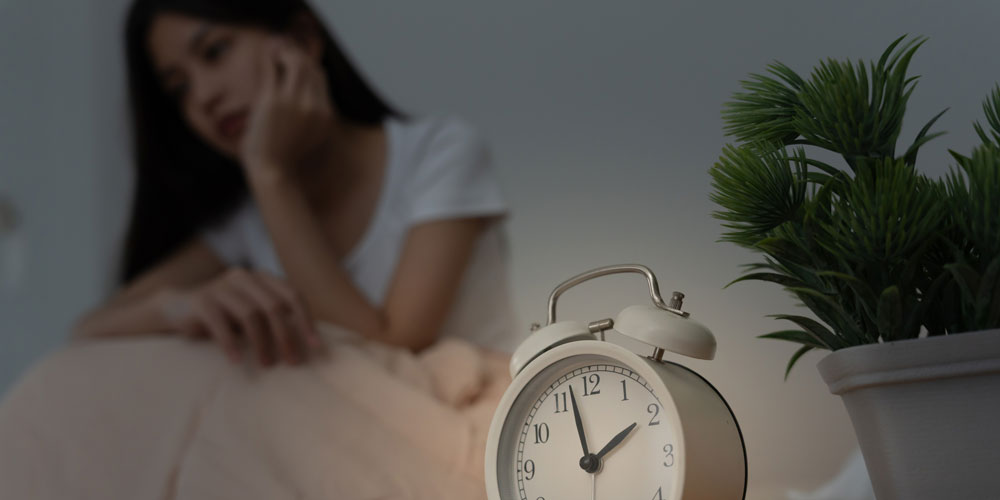
Clock it
In my previous Health Yourself column, I discussed circadian rhythm concepts centered on natural biological cycles present in most living species.
Key processes controlled by various circadian (biological) clocks include body temperature regulation, hormone secretion, digestive activity, muscle functioning, sleep timing, cellular growth and development, and cellular metabolism.
Now, I will focus on what can happen to different body functions when a person’s biological clock becomes disrupted.
Common circadian rhythm disorders
- Jet lag disorder: Excessive sleepiness and poor alertness after rapid travel across time zones, especially eastward.
- Shift work sleep disorder: Sleep loss and insomnia due to working nonstandard hours or rotating shifts, causing chronic circadian misalignment.
- Delayed sleep-wake phase disorder (DSWPD): Sleeping and waking much later than socially acceptable, often seen in adolescents and young adults.
- Advanced sleep-wake phase disorder (ASWPD): Sleeping and rising much earlier than desired, common in older adults.
- Non-24-hour sleep-wake disorder: Sleep-wake cycle drifts later each day; often occurs in visually impaired individuals who lack light cues.
- Irregular sleep-wake rhythm disorder (ISWRD): Fragmented sleep with naps at random times, seen in people with dementia and neurological disease.
What causes circadian rhythm disorders?
Circadian clocks regulate the expression of key genes responsible for antioxidant activity, metabolism, and cell repair. This means circadian dysfunction(s) can increase oxidative stress and cellular damage. People with circadian rhythm disorders often have differences in their body’s natural “clock” or related processes that might occur at multiple levels, from intrinsic changes at the molecular, cellular, tissue, or whole-body level.
The following conditions also cause circadian disorders:
- Brain damage — degenerative brain diseases, head injuries, brain inflammation (encephalitis)
- Vision impairments — retina or optic nerve disorders
- Jet lag
- Overnight shift work
- Stress
- Pregnancy
- Menopause
- Alzheimer’s or Parkinson’s disease
- Neurodevelopmental problems — attention-deficit/hyperactivity disorder (ADHD) or autism spectrum disorder
- Mental health disorders
- Idiopathic — unknown causes
When your clock is off
Disrupted biological clocks strongly associate with many major adverse health outcomes affecting sleep, mental health, metabolism, cardiovascular function, and overall physiological well-being.
Major consequences from disrupted biological clocks
- Insomnia, frequent nighttime waking, difficulties staying asleep, and excessive daytime sleepiness resulting in chronic fatigue, impaired concentration, and reduced alertness.
- Metabolic and cardiovascular disorders, including insulin dysfunction resulting in type 2 diabetes, obesity, and metabolic syndrome. This cluster of conditions includes high blood sugar, high triglycerides, high blood pressure (hypertension), low HDL cholesterol, hypercholesterolemia, and abdominal obesity.
- Neurological and psychiatric outcomes, including mood disorders, depression, bipolar disorder, and seasonal affective disorders, emotional instability, and impaired cognitive function (reduced memory and executive function).
- Increased immune and cancer risk
- Reproductive, developmental, and additional outcomes, including infertility, premature aging, and neurodevelopmental disorders such as autism spectrum disorder (ASD) and attention deficit hyperactivity disorder (ADHD). In children, disrupted rhythms can worsen developmental disabilities and contribute to psychosocial complications and behavioral issues.
- Reduced daytime function and quality of life.
Diagnoses
The diagnoses for the major circadian rhythm disorders require sleep monitoring for at least seven days (including holidays and weekends), but preferably 14 days. In practice, weeks to months of monitoring may be necessary to detect complex sleep disorders. It is also necessary to rule out other causes involving any specific medical, mental, or medication/substance disuse.
The most common diagnosis techniques include the following:
- Sleep logs and journals: Tracking patterns for several weeks or months.
- Actigraphy: Wrist-worn motion sensors that monitor daily sleep and activity patterns.
- Polysomnography: Laboratory or home sleep study.
- Questionnaires: Evaluating/measuring daytime sleepiness.
- Hormone monitoring
Treatment Options
Treatment options for circadian rhythm disorders aim to realign the body’s (and individual cells’) internal clock with the desired sleep-wake cycle, primarily using a combination of behavioral strategies, light therapy, and medication.
Behavioral and lifestyle therapies
- Sleep hygiene: Adopting a consistent sleep schedule and healthy sleep habits represents a foundational treatment. This includes setting a regular bedtime and wake-up schedule, avoiding long daytime naps, and creating a consistent, relaxing night-time routine.
- Chronotherapy: This technique involves gradually shifting a person’s sleep and wake times until a desired schedule is reached. For example, a person might gradually delay their bedtime by a few hours every couple of days until they have circled around to the desired conventional time.
- Cognitive behavioral therapy for insomnia: CBT-I targets thoughts and behaviors that interfere with sleep. It can be particularly effective when circadian rhythm issues lead to insomnia.
- Lifestyle changes: Incorporating a regular schedule for exercise and meals helps to reinforce the body’s new rhythm. It is also best to avoid stimulating substances like caffeine, nicotine, and alcohol, especially before bed.
- Light therapy: Morning blue light exposure (470 nm) via blue-light glasses for 1–2 hours can significantly improve sleep quality and more rapidly adjust circadian phases in many people. Advanced light protocols tailored to an individual’s chronotype show better effectiveness than broad-spectrum light therapy. In conjunction with bright light therapy, avoiding light at certain times becomes important. For instance, individuals with delayed sleep-wake phase disorder should limit their exposure to bright lights and blue light from electronic screens in the evening and at bedtime.
Medications

Medication can help regulate the sleep-wake cycle, in combination with behavioral therapy. The following medications are often prescribed:
- Melatonin: Naturally produced by the brain’s pineal gland, melatonin provides the signal that it’s time to sleep. (Available as an over-the-counter supplement.)
- Melatonin receptor agonists: Beyond conventional melatonin supplements, newer agents like agomelatine and tasimelteon show promise to adjust circadian rhythms. Agomelatine has proven effective for younger individuals, while tasimelteon is increasingly used for Non-24-Hour Sleep-Wake Disorder, especially in blind patients.
- Wake-promoting agents: Drugs like modafinil and armodafinil are used to help improve wakefulness during desired hours for conditions like shift-work disorder.
- Hypnotics: Prescription sleep aids like benzodiazepines and nonbenzodiazepine hypnotics are used in the short-term to help with sleep onset and maintenance.
Research into natural products
New investigations into plant-based compounds and dietary supplements show promise to modulate circadian rhythms alongside pharmaceutical or behavioral treatments.
Research highlights dietary polyphenols — from green tea, curcumin (the yellow pigment found in turmeric), and resveratrol (found in grapes, red wine, peanuts, pistachios, blueberries, and cranberries ) — for their ability to regulate cellular circadian clock oscillators. In addition, ashwagandha (a root from an evergreen shrub native to the Middle East and North Africa) is growing in popularity. Valerian root extract has long been recommended as a sleep aid, along with saffron (Crocus sativus) and seed oil from leafy lettuce (specifically romaine). Ginseng extract also has been shown to improve circadian clock gene expression in peripheral metabolic organs. It also enhances body temperature rhythm.
Wake up and go to sleep
Chronic disruption of biological clocks and circadian rhythms negatively impacts sleep, metabolic and cardiovascular health, mental well-being, immune responses, reproductive health, and daily functioning, underscoring the importance of maintaining robust circadian timing for overall health.
The bottom line: Sleep is essential for overall health and well-being. It plays a crucial role in almost all biological functions. Getting enough quality sleep improves brain function, physical health, immune function, mental health, and more.
References:
- Cardinali, D.P., et al. “Chronotherapy.” Handbook of Clinical Neurology. 2021;179:357.
- Fishbein, A.B., et al. “Circadian disruption and human health.” The Journal of Clinical Investigation. 2021;131(19):e148286.
- Gutierrez-Monreal, M.A., et al. “Ticking for metabolic health: The skeletal-muscle clocks.” Obesity. 2020;28(Suppl. 1):S46.
- Huang, Z.Q., et al. “Circadian rhythms and pain: A narrative review on clock genes and circadian-based interventions.” Journal of Pain Research. 2025;18:4687.
- Juliana, N., et al. “Effect of circadian rhythm disturbance on the human musculoskeletal system and the importance of nutritional strategies.” Nutrients. 2023;15(3):734.
- Kim, H.D., et al. “Sleep-inducing effect of lettuce (Lactuca sativa) varieties on pentobarbital-induced sleep.” Food Science Biotechnology. 2017;26(3):807.
- Kim, H.K., Shibata, S. “Circadian rhythm and muscle function.” Advances in Experimental Medicine and Biology. 025;1478:101.
- Mansingh, S., Handschin, C. “Time to train: The involvement of the molecular clock in exercise adaptation of skeletal muscle.” Frontiers in Physiology. 2022;13:902031.
- Mohd Azmi, N.A.S., et al. “Consequences of circadian disruption in shift workers on chrononutrition and their psychosocial well-being. International Journal of Environmental Research and Public Health. 2020;17:2043.
- Möller-Levet, C.S., et al. “Effects of insufficient sleep on circadian rhythmicity and expression amplitude of the human blood transcriptome.” The Proceedings of the National Academy of Sciences USA. 2013;110(12):E1132-41.
- Pareek, M., et al. “Trials on timing of cardiovascular medication administration: The cardiovascular circadian chronotherapy trial concept.” JACC Advances. 2025;4(10 Pt 2).
- Pour, Z.S., et al. “Double-blind randomized placebo-controlled trial on efficacy and safety of Lactuca sativa L. seeds on pregnancy-related insomnia.” The Journal of Ethnopharmacology. 2018;227:176.
- Wang, F., et al. “Circadian regulation of vascular function: Metabolism as a link from molecular mechanisms to clinical implications.” Biochimica et Biophysica Acta – Molecular Basis of Disease. 2025;1872(1):168048.
- Yakoot, M., et al. “Pilot study of the efficacy and safety of lettuce seed oil in patients with sleep disorders.” International Journal of General Medicine. 2011;4:451.
- Zhang, R., et al. “A circadian gene expression atlas in mammals: Implications for biology and medicine.” Proceedings of the National Academy of Sciences of the United States of America. 2014;111:16219.