Social snapshot: The troubled students of a century ago
Back in the day
What were Michigan students thinking a hundred years ago, in the decade of bootleg booze and the craze for cars, when fans were going nuts for Michigan football and construction gangs were finishing Michigan Stadium?
We picture that decade as the happy, decadent Roaring Twenties, when “Joe College” ruled the campus and students basked in sunny prosperity before the gray fog of the Great Depression.
But at the time, close observers thought many students were struggling. So the faculty commissioned a survey. To lead the effort, they picked the youngest member of the sociology faculty, Robert Cooley Angell.

Angell was U-M royalty and a rising star in his field. He was the grandson of James Burrill Angell, U-M’s president from 1871-1909, and the nephew (and student) of Charles Horton Cooley, the pioneer U-M sociologist. More important, Angell was a bona fide expert on college students as a social class. His doctoral dissertation would soon be published as The Campus: A Study of Contemporary Undergraduate Life in the American University (1928).
For this new study, Angell asked: How well adjusted were U-M’s students, and what did they want from life? Did students “have it together”? If not, what was wrong?
He hired three psychiatric case-workers (two men, one woman) and got to work. They interviewed 133 men and 83 women, mostly sophomores and juniors.
Their findings are fascinating snapshots of student life a century ago. For many, it was hardly carefree.
The shadow of sex
What was uppermost in students’ minds? Angell said no one should doubt “the large part played by sex interest in undergraduate life.”
Students of both genders thought about it a lot, but men worried more. Nearly one in five “find sex a problem.” Many cited anxiety over “chronic masturbation … so upsetting … as to make a rational life orientation impossible.”
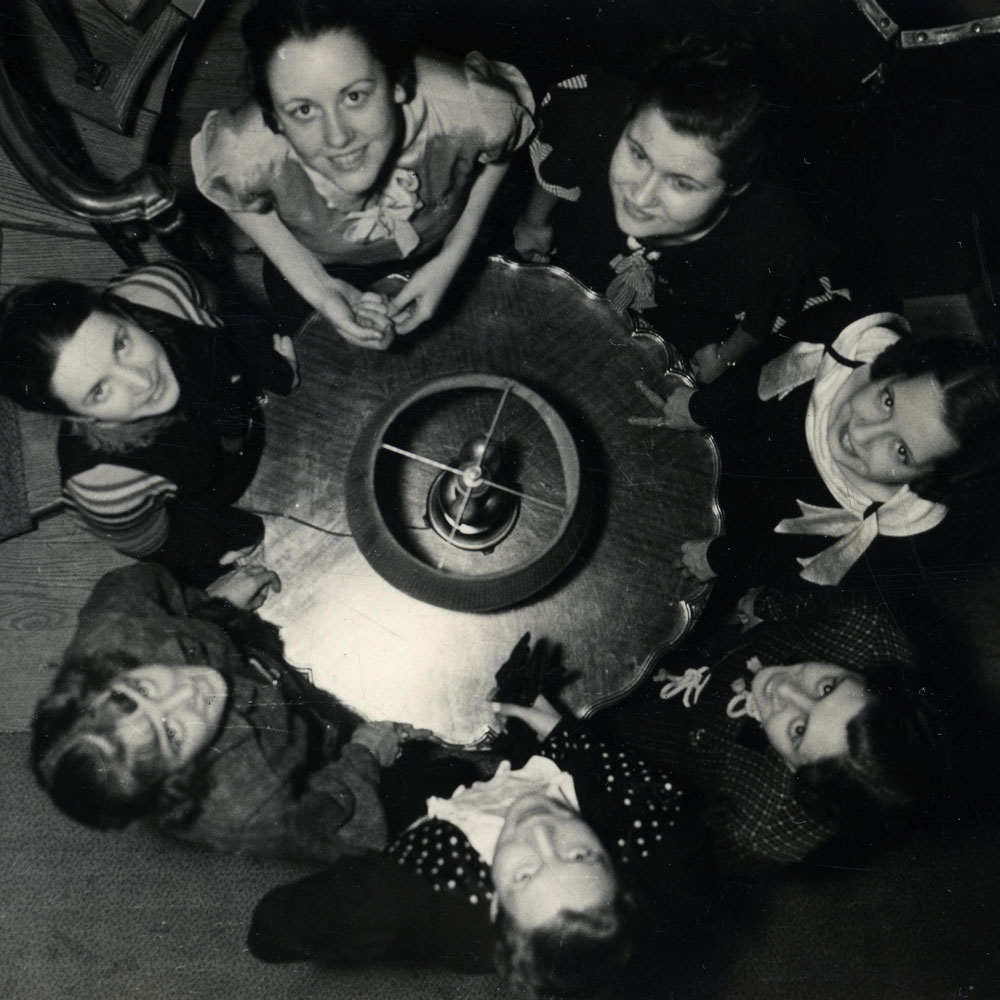
Meanwhile, only one in 20 women “found sex a problem,” but they revealed a wide range of experiences and attitudes. One woman who said she was “strongly sexed” had refrained from intercourse only out of fear of pregnancy. Another had survived an attempted rape in high school but recovered enough “from horror and fright” to fall in love. She told her interviewer: “Some men are disgusting but sex itself is not.”
How experienced were the students? Hard to say. One in five men said they’d had intercourse. (Of the men with the worst grades, a higher percentage — one in four — had had sex. Among males with the best grades, the figure was only one in 10.)
Women were asked only about their “standards” for “sexual intimacies before marriage,” not their actual experience. Three out of five said they maintained “strict standards.” One in five thought “petting” was “all right where there is affection,” and another one in five admitted to “free standards” — “those who indulge in more or less promiscuous petting.”
From the ‘pleasing personality’ to the ‘badly adjusted’
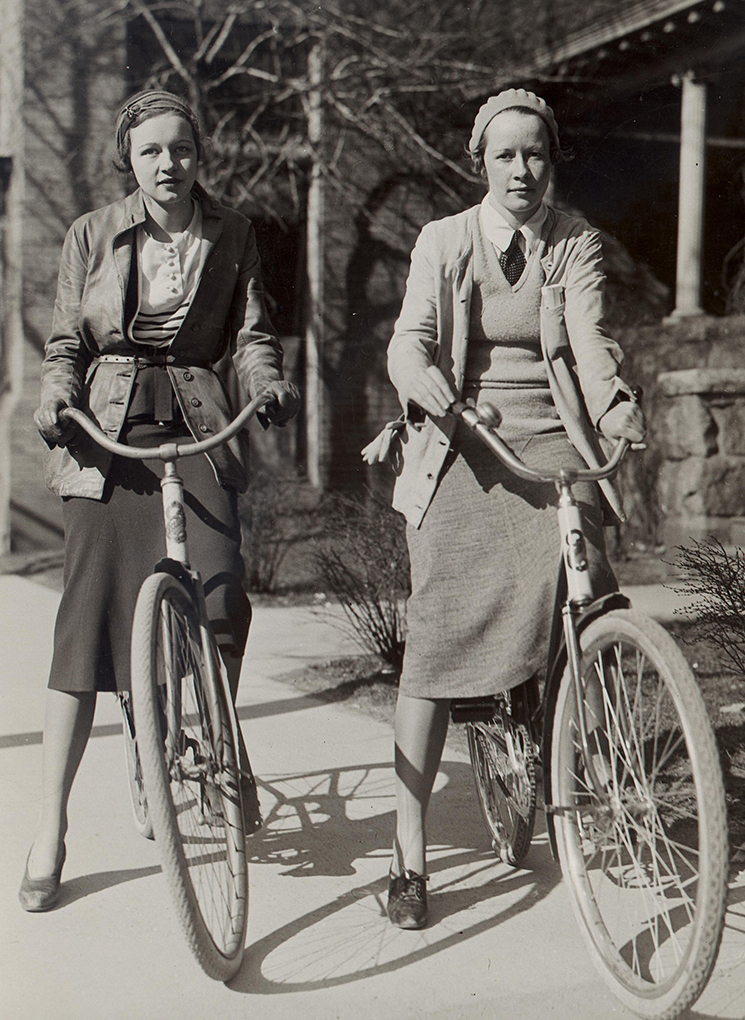
Angell and his aides rated students from well adjusted to poorly adjusted in three categories — academic, social, and “life.” (The last had to do with maturity — how well they grasped their circumstances and their future.) Then they combined those three ratings.
Interesting patterns jumped out.
Angell found that students getting mediocre grades were the best adjusted socially, while the best students were the least happy about their social lives. Women were better adjusted socially than men and got better grades. Men had thought about life plans more than women. In intelligence, the genders were equal. Men scored higher in tests of “information” — awareness of news and politics — while women knew more about art, literature, and religion.
His snapshots of individuals showed striking variety. For example:
- A junior girl from “a cultured home” in a small town with “a pleasing personality,” who is close to her mother, thinks “petting” is “all right provided there is affection,” “shows no prejudice” except for “a slight antagonism to negroes,” wants to be either an actress or a retail manager, and “is interested in the eugenics movement.”
- A sophomore boy who is “mentally ill and badly adjusted in almost every way” … “broods about his own condition,” can’t concentrate on his studies, has dropped his fraternity and his church membership, and “has no aim for his life.”
- A junior girl of the “‘shut-in’ personality type,” an observant Catholic who loves to read, “knows no boys” and “leaves a group whenever the conversation turns to matters of sex.”
- A sophomore boy, “spoiled” by his mother, whose “chief interest is in social success” … is intelligent but gets low grades and has given up his cultural interests because none of his fraternity brothers share them.
The disengaged student
Scraps like those were interesting. But the study raised larger concerns for Angell. It reinforced his suspicion that the life of the mind — the putative aim of higher education — was hardly thriving in Ann Arbor. The average undergraduate, he found, was a pretty mediocre character.
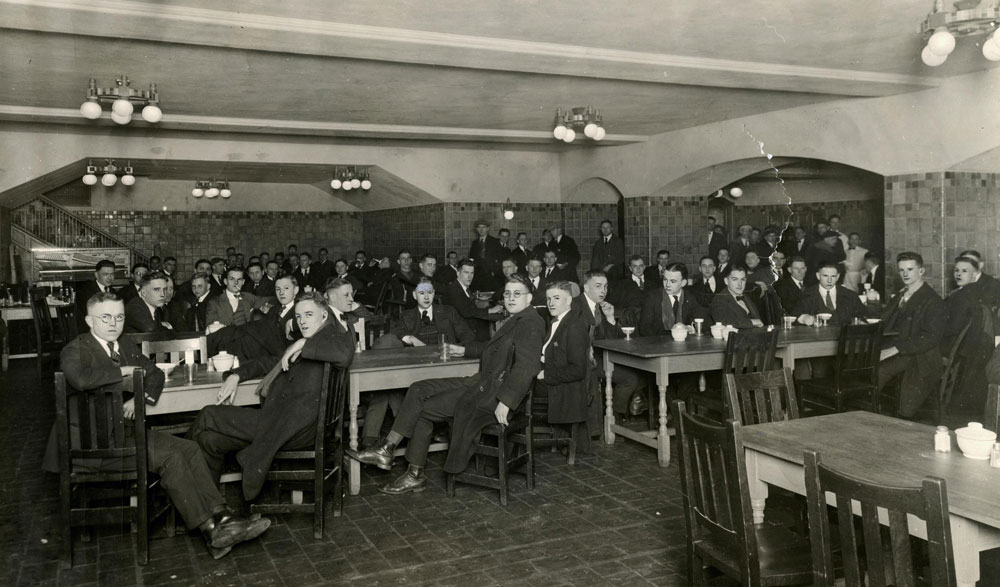
One statistic was indicative. Of the 36 student types that Angell identified, the single most common (one in five) got so-so-grades, had plenty of friends, and was “not yet oriented” to life’s demands — in other words, a nice kid who had fun between classes but wasn’t taking anything seriously.
It wasn’t their raw intelligence Angell worried about; they were perfectly bright. It was their indifference to good books, serious questions, or much of anything beyond having a good time and finding a good job. (Those concerns would eventually lead Angell to help start and then direct U-M’s Honors College.)
He wound up his study with a single ambitious recommendation.
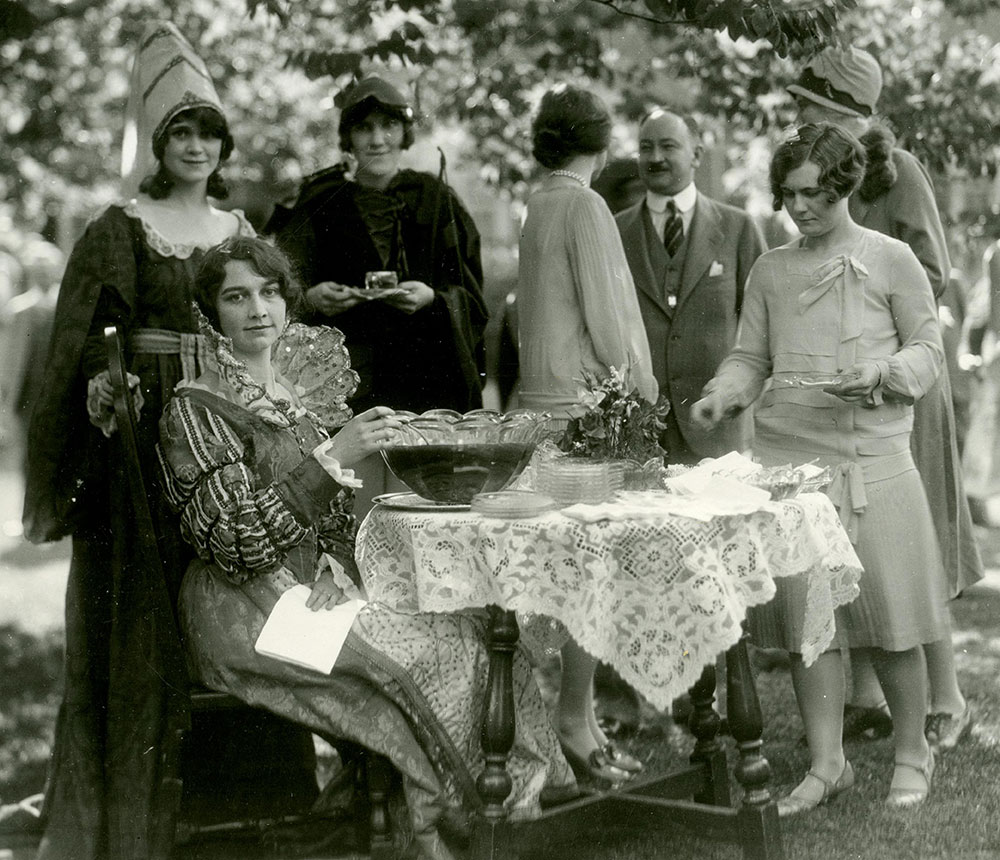
Universities were meant for learning, of course, he said. But they gave too much attention to the intellect in isolation. They should also attend to students’ minds as a whole. To make the most of college, students needed help with their emotional troubles.
So Angell recommended a strong, well-staffed “mental hygiene” agency.
“Many will probably be surprised at the amount of personality disorganization among undergraduates that this study reveals,” Angell wrote. “The general public … is likely to think of college years as a carefree period — a time of few responsibilities and no serious problems. This is because the most obvious features of undergraduate life are festive occasions like football games, house parties, and graduation exercises. There is no appreciation of the genuine hardships experienced by many students…”
Anyone familiar with 21st-century students may be thinking how little has changed. Just this week, Michigan News ran the story College success tied to fitting in: Do I belong here?, which showcased a contemporary study Angell might have found interesting. Among the findings: Students who feel they truly belong forge deeper social bonds with peers and roommates — connections that act as a critical safety net against rising dropout rates.
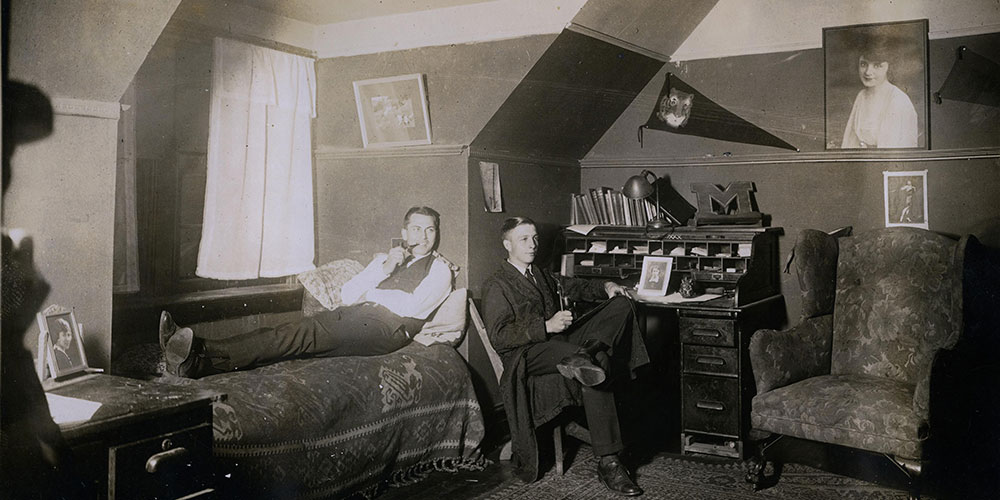
(Angell’s survey, A Study in Undergraduate Adjustment, was published by the University of Chicago Press in 1928. The lead image above shows Michigan roommates in their boarding-house digs in the early 1920s, with portraits of girlfriends prominently displayed — or is one of those Mother? Image courtesy of U-M’s Bentley Historical Library)